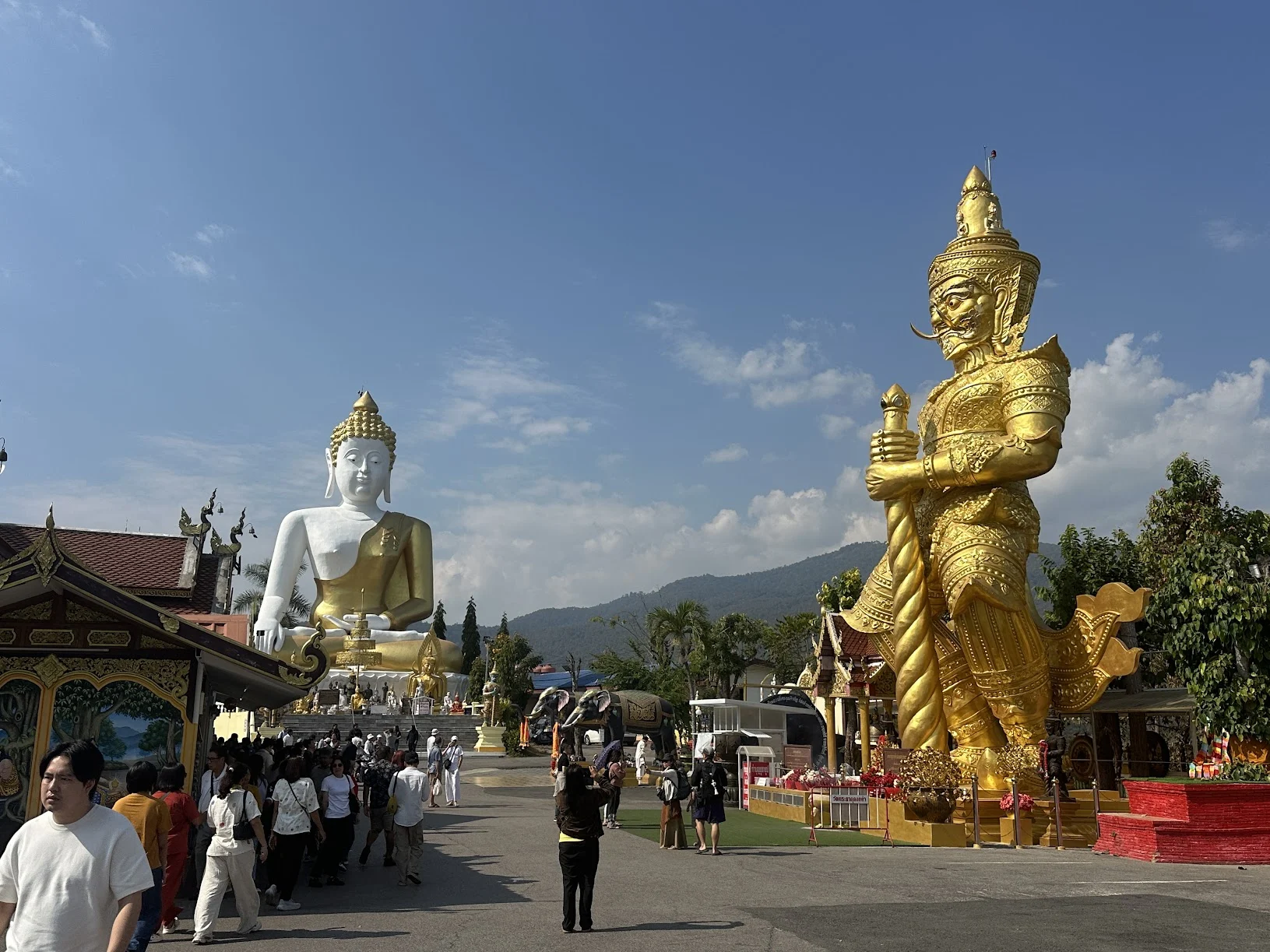
I spent a month in Chiang Mai in February 2026, and I have to be honest: it’s probably my favorite city in Thailand.
It’s relatively small, yet there’s so much to do. It’s creative, cozy, full of interesting cafes, beautiful temples and little places that make you want to stay longer. You can spend your morning exploring an ancient temple, grab an incredible bowl of khao soi for lunch, spend the afternoon doing pottery or visiting an art space, and finish the day wandering through a local market.
What I particularly loved about Chiang Mai was the balance. It has enough going on to keep you entertained, but it doesn’t feel as overwhelming as Bangkok. There’s a lovely creative community, plenty of opportunities to meet people and a slower pace of life that makes it easy to settle in.
Whether you’re visiting for a few days, traveling around Thailand or considering staying for a month as a digital nomad, there’s plenty to discover.
I’ve put together this guide based on my own experience, including some of my absolute favorite places, activities and little discoveries. Here are the best things to do in Chiang Mai that I’d recommend adding to your itinerary.
Travel from Bangkok to Chiang Mai (and enjoy the journey)
If you’re traveling around Thailand, chances are you’ll be making your way between Bangkok and Chiang Mai at some point. The two cities are well connected, and you have a few options depending on your budget, schedule and preferred travel style.
By overnight train: Probably the most interesting option if you have the time. You can book a sleeper berth, go to bed in Bangkok and wake up in Northern Thailand. It’s a nice way to travel without losing an entire day, and a little adventure in itself. Book ahead, especially if you want a lower or more comfortable sleeper berth.
By plane: The fastest option. Several airlines operate flights between Bangkok and Chiang Mai, and the journey takes roughly 1 hour and 15 minutes in the air. Remember to account for airport transfers and check baggage allowances.
By bus: A more budget-friendly alternative. Buses usually take considerably longer than flying, but overnight services can save you a night’s accommodation.
My advice? If you have enough time, take the train at least one way. If you’re short on time, flying is the obvious choice.
Let’s see things to do in Chiang Mai.
1. Explore Chiang Mai’s beautiful temples
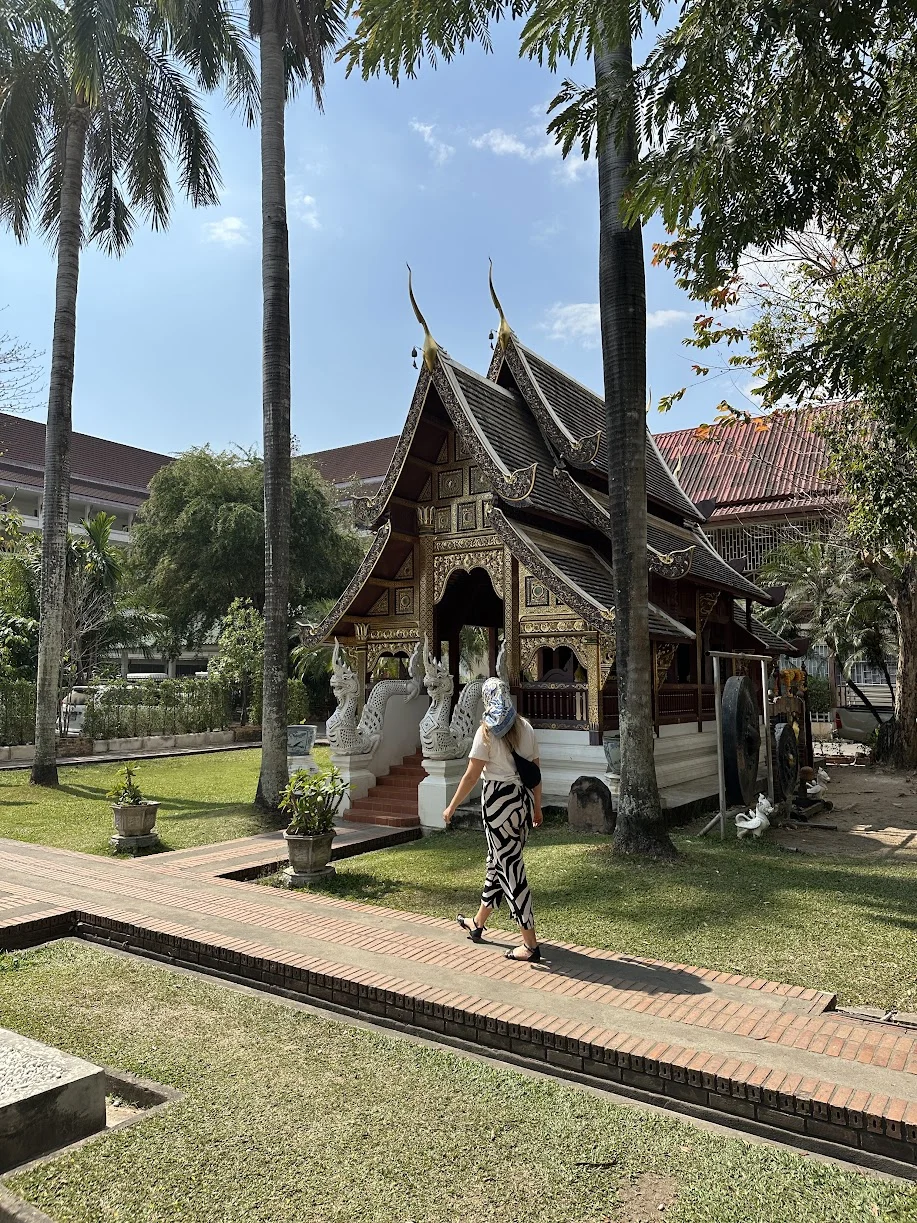
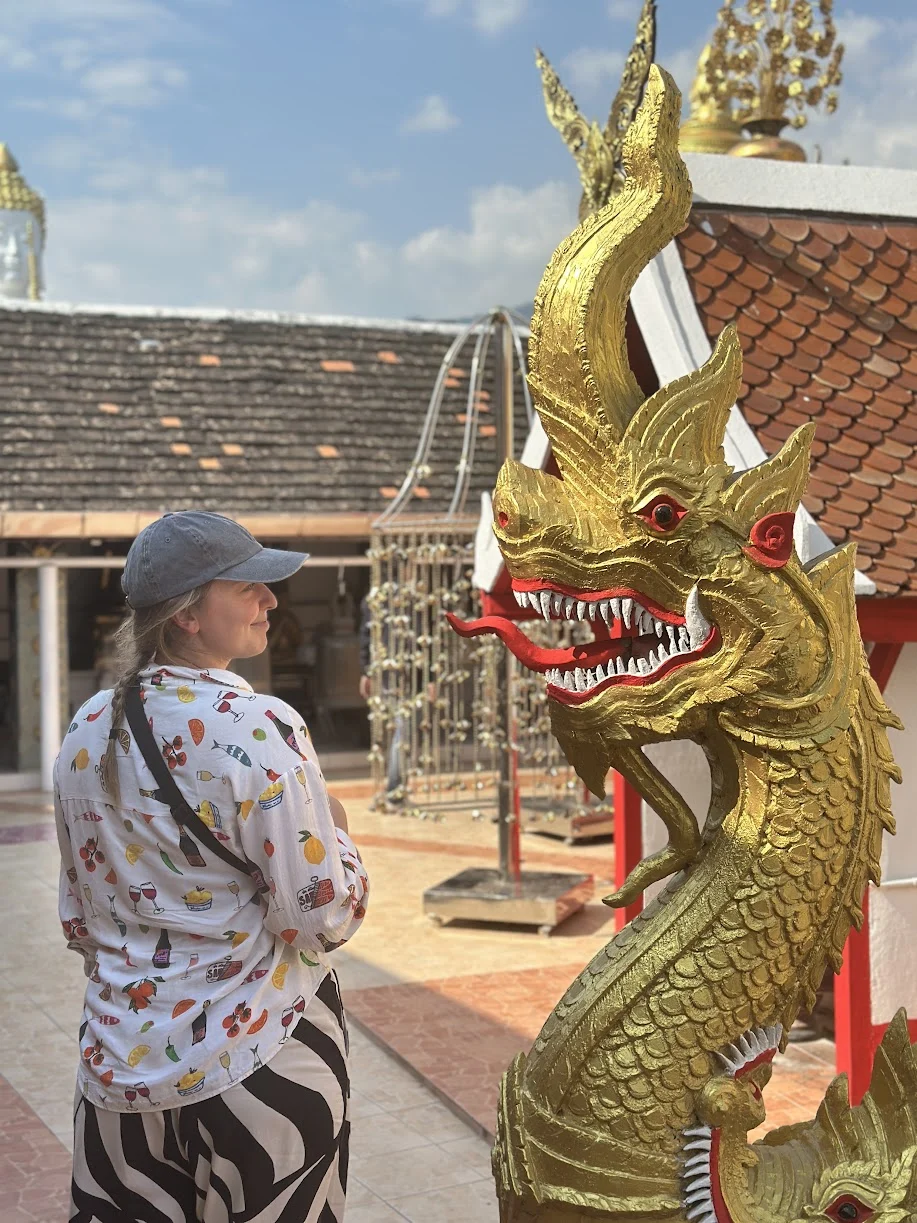
You can’t really visit Chiang Mai without exploring its temples. The city has a long Buddhist and Lanna cultural heritage, and you’ll find beautiful temples tucked between cafes, shops and residential streets.
The good thing is that you don’t need to organize a complicated tour to see some of the most impressive ones. Several are within walking distance of each other in the Old City, while others are located in the surrounding mountains.
Here are the ones I’d recommend:
Wat Chedi Luang
One of the most impressive temples in the Old City, known for its enormous ancient brick chedi. It’s worth taking some time to walk around the complex rather than just stopping for a quick photo.
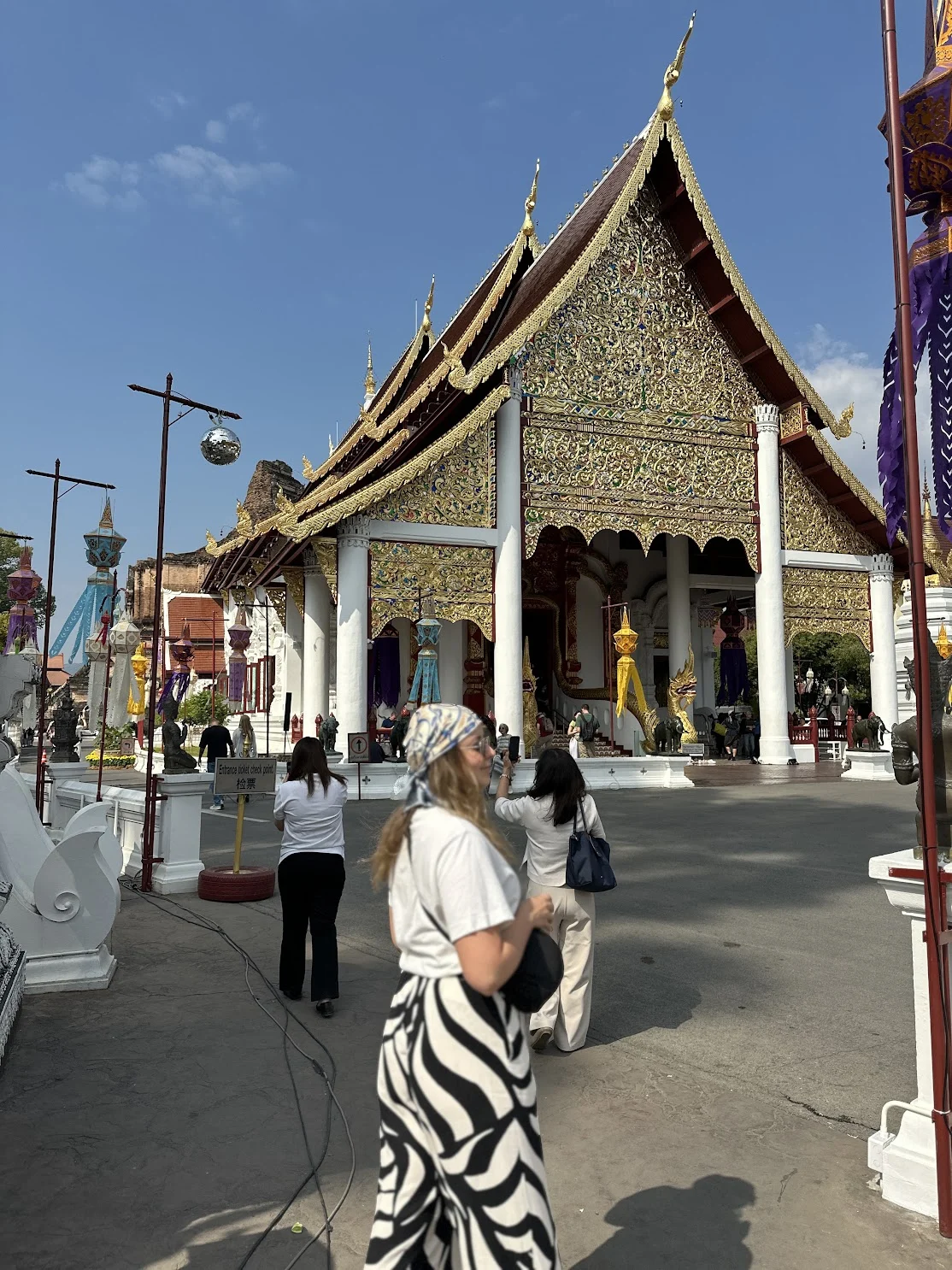
Wat Phra Singh
A beautiful example of traditional Lanna architecture, with intricate details and peaceful temple grounds.
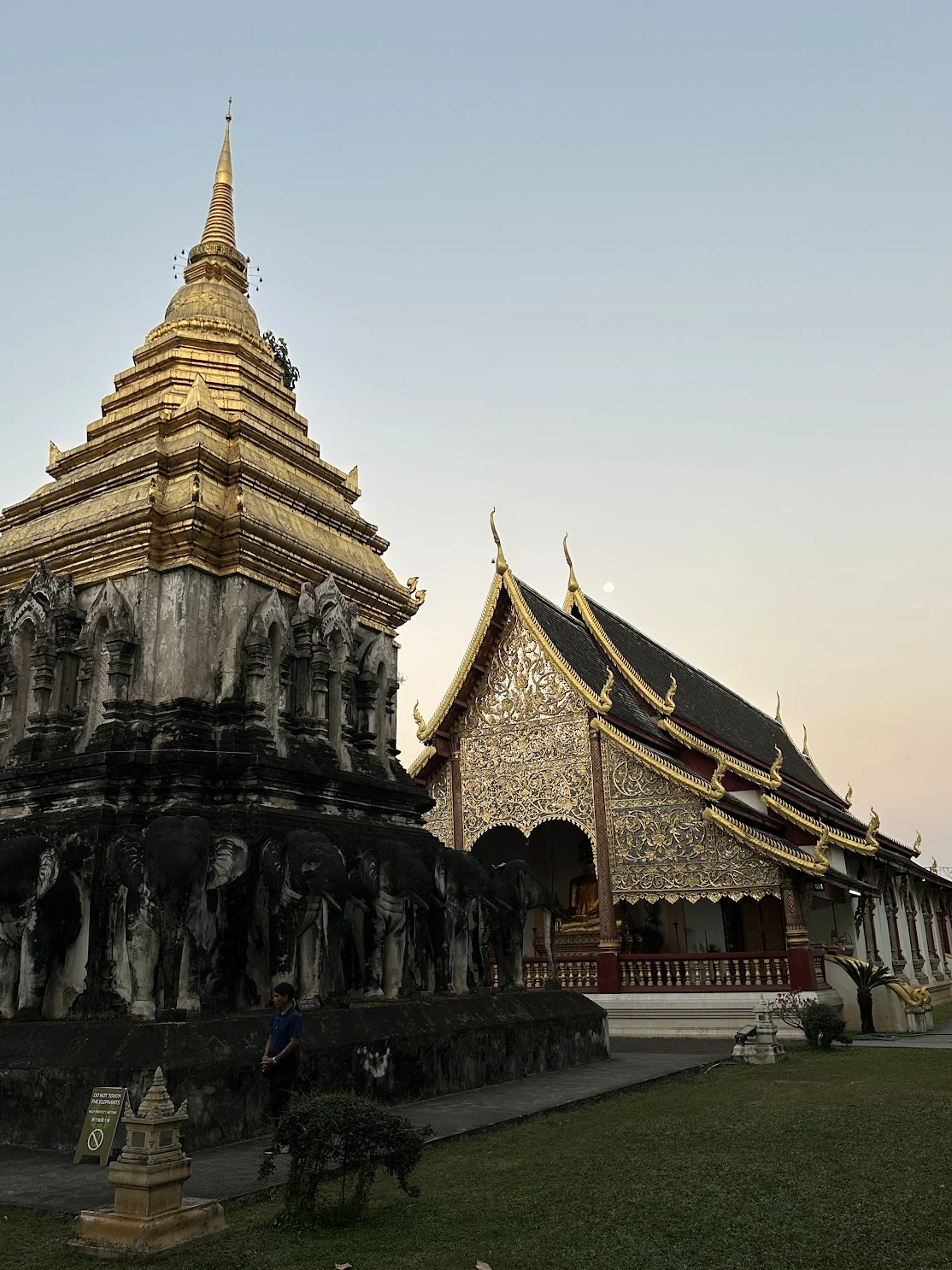
Wat Chiang Man
Considered the oldest temple in Chiang Mai, with a lovely atmosphere and interesting historic details.
Wat Pha Lat
This one deserves special attention. Hidden in the forest on the way up Doi Suthep, Wat Pha Lat feels like something straight out of a movie. There are moss-covered statues, little shrines, stone staircases, a small waterfall and beautiful greenery all around.
It’s much quieter than some of Chiang Mai’s better-known temples, which is exactly what makes it special. You can reach it by road or hike up the Monk’s Trail, a forest path that starts near the university area.
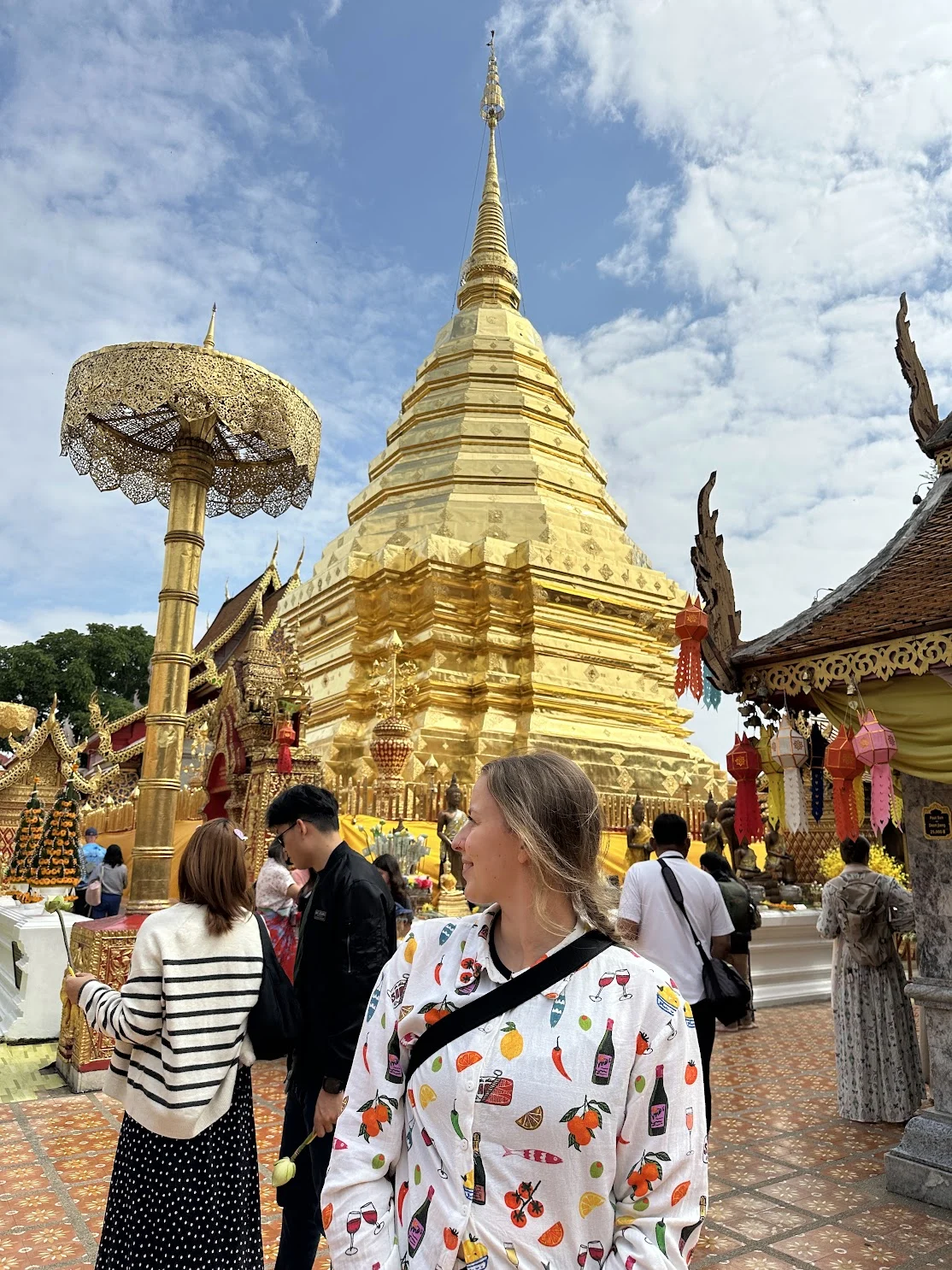
Wat Phra That Doi Suthep
Speaking of Doi Suthep, this is probably Chiang Mai’s most iconic temple. Located on a mountain overlooking the city, it’s famous for its golden chedi, intricate architecture and panoramic views.
You can take a songthaew, arrange a taxi or join a tour to get there. If possible, visit early in the morning to avoid some of the crowds and midday heat.
My tip: Combine Wat Pha Lat and Doi Suthep into one trip. They’re on the same mountain, making it a great half-day outing. For the Old City temples, simply explore on foot and leave some time to discover the surrounding streets.
Remember to dress appropriately when visiting temples: cover your shoulders and knees, remove your shoes before entering temple buildings and be respectful when people are praying.
2. Take a trip to Chiang Dao (and stay a little longer)
If you have a few extra days in Chiang Mai and are a neture-lover, I’d definitely recommend visiting Chiang Dao!
Located north of Chiang Mai, this mountain area offers a completely different atmosphere from the city. Think dramatic limestone mountains, lush landscapes, small villages and a much slower pace of life.
I personally spent three nights in Chiang Dao, and I’m so glad I did. Instead of rushing through the area on a day trip, I had time to wander around, enjoy the surroundings and take in some absolutely insane mountain views.
It’s one of those places where you don’t necessarily need a packed itinerary. Just being there, surrounded by nature, is an experience in itself.
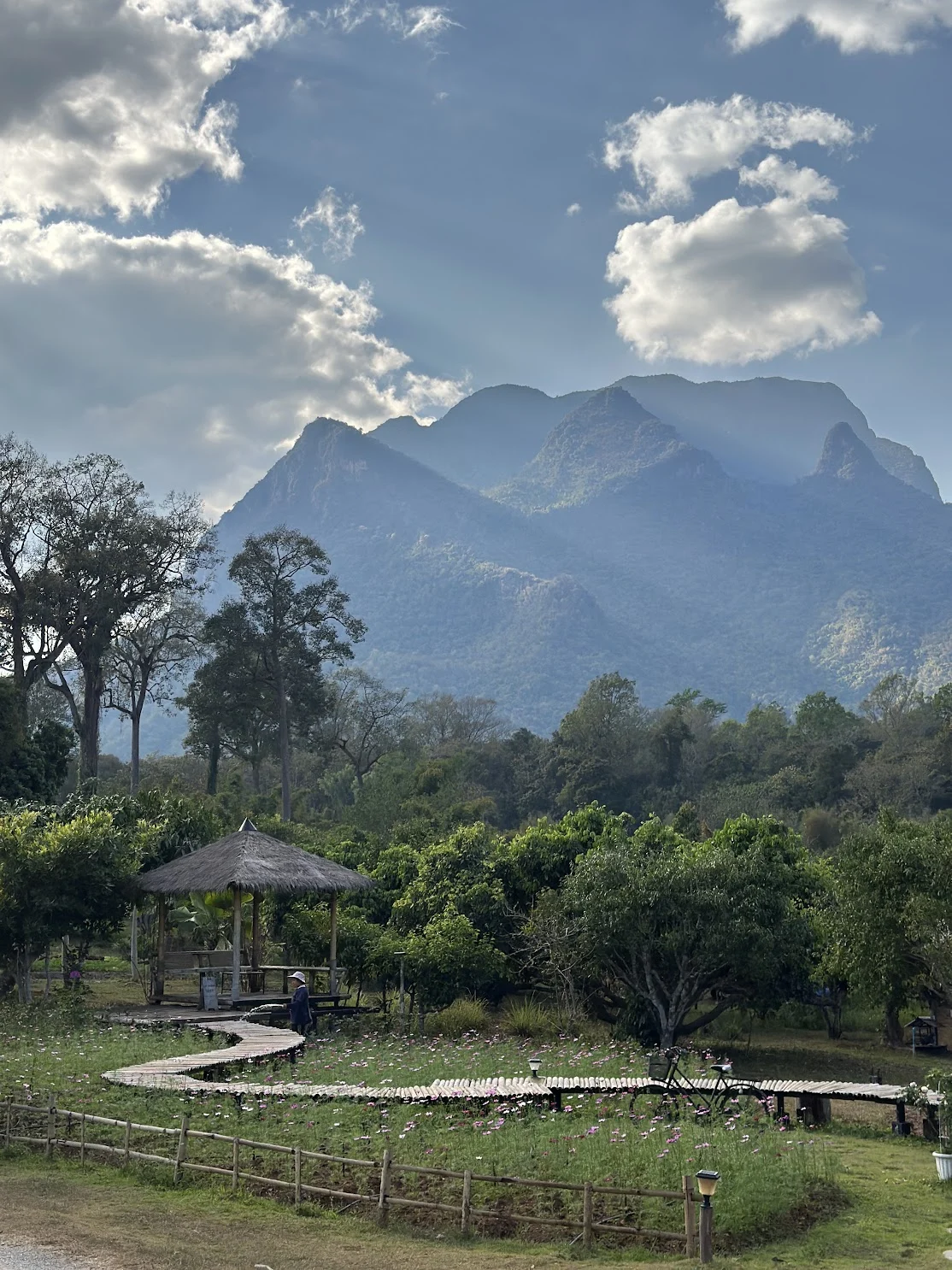
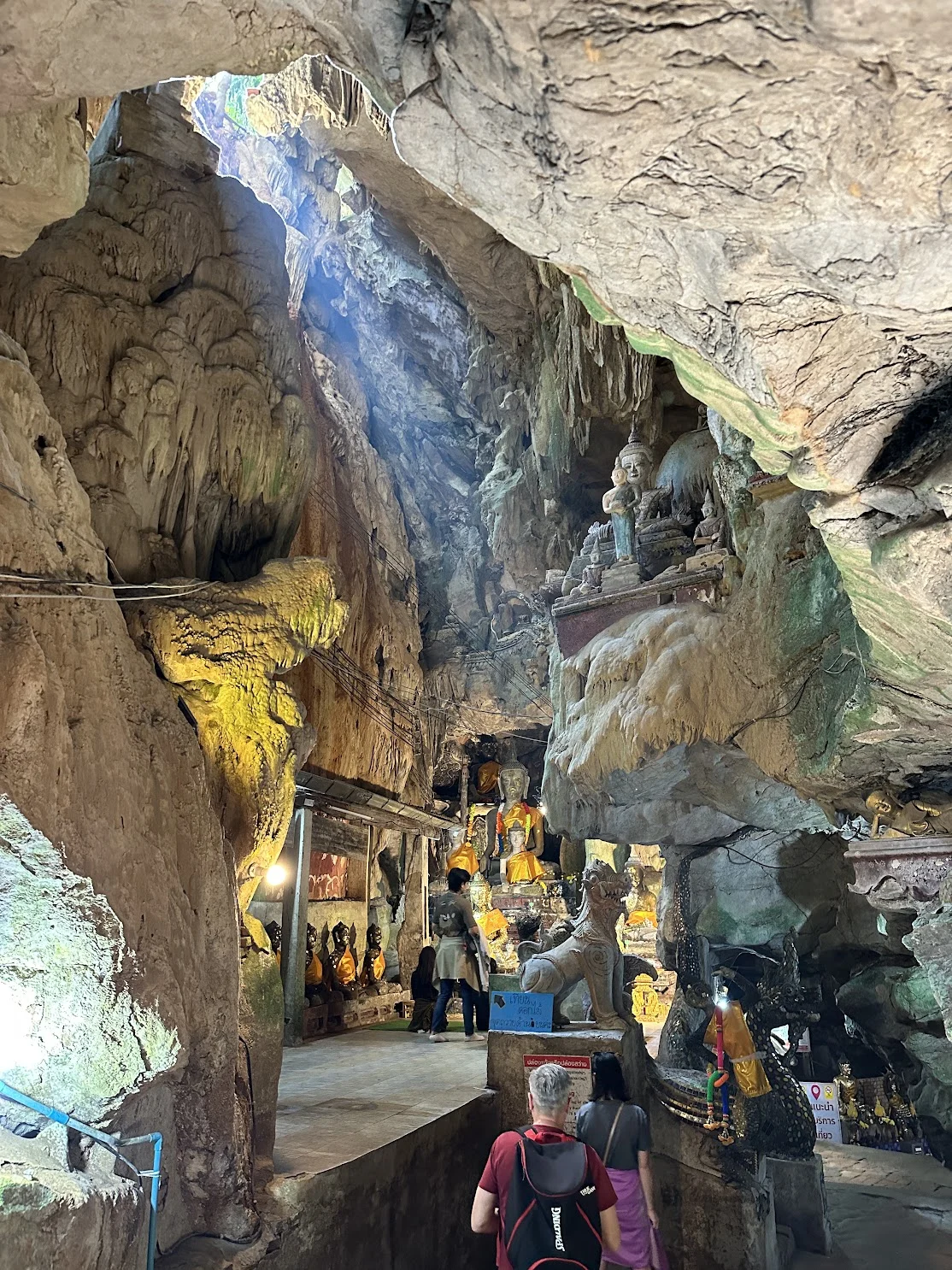
Some interesting places to explore include:
- Wat Tham Pha Plong: A beautiful forest temple reached by climbing a long staircase through the trees. The peaceful setting makes the effort worthwhile.
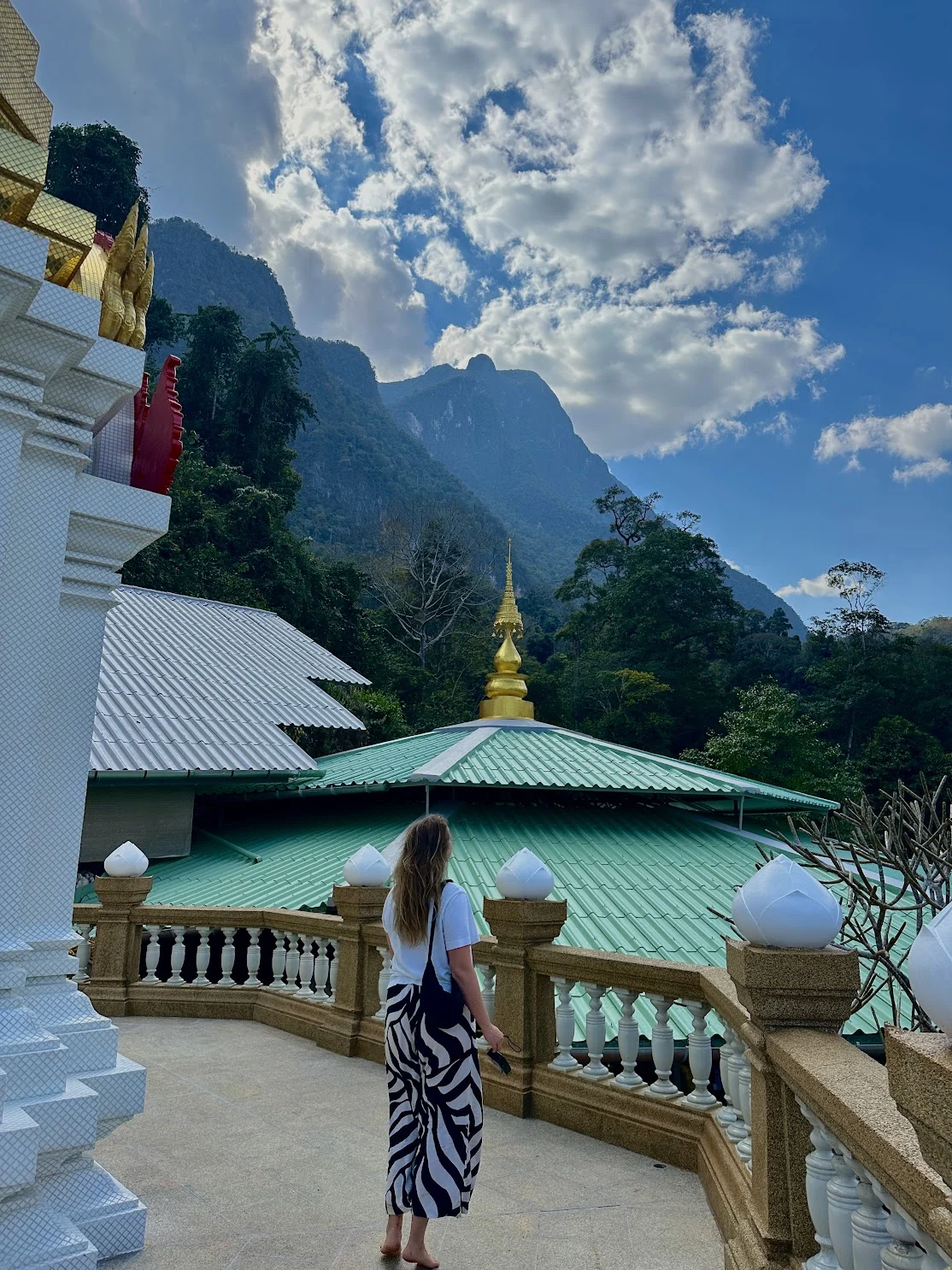
- Chiang Dao Cave: An impressive cave system with limestone formations and Buddhist shrines.
- Doi Luang Chiang Dao: A spectacular limestone mountain that dominates the landscape.
You can visit Chiang Dao on a day trip, but I’d personally recommend staying overnight, ideally for two or three nights if you have the time.
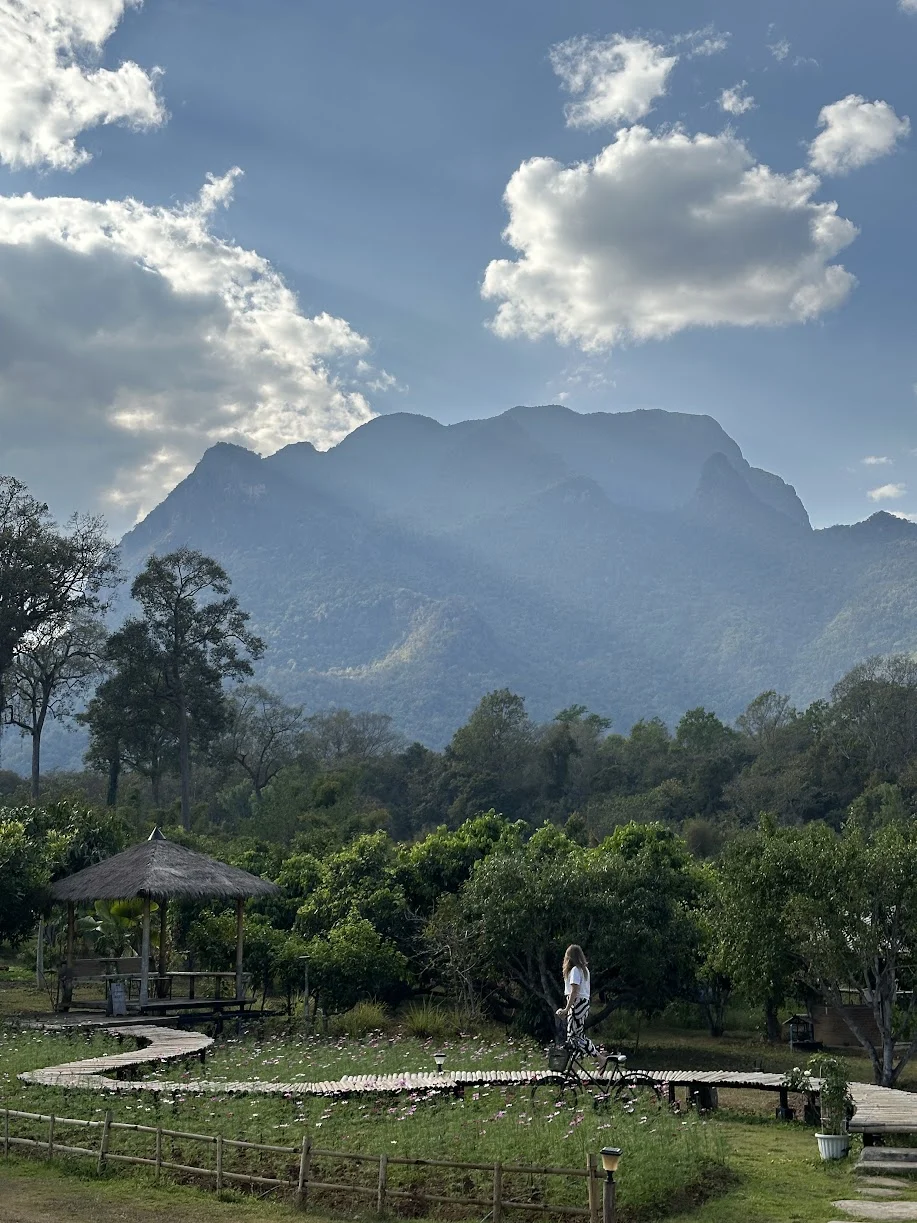
My tip: It’s roughly 70 km north of Chiang Mai. Allow around 1.5 hours each way by road, depending on traffic and your starting point.
3. Discover Chiang Mai’s artist village, Baan Kang Wat - my absolute favorite1
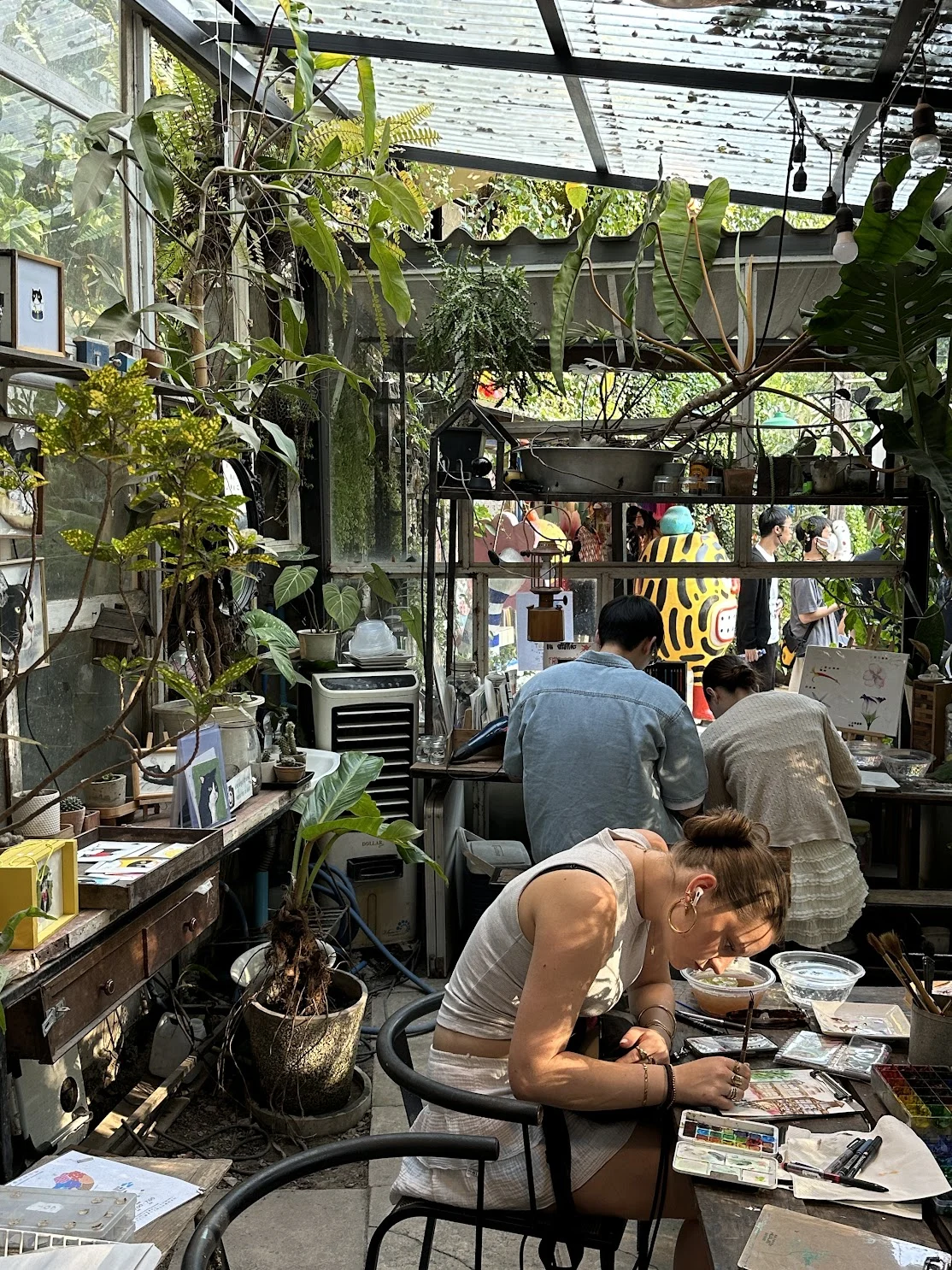
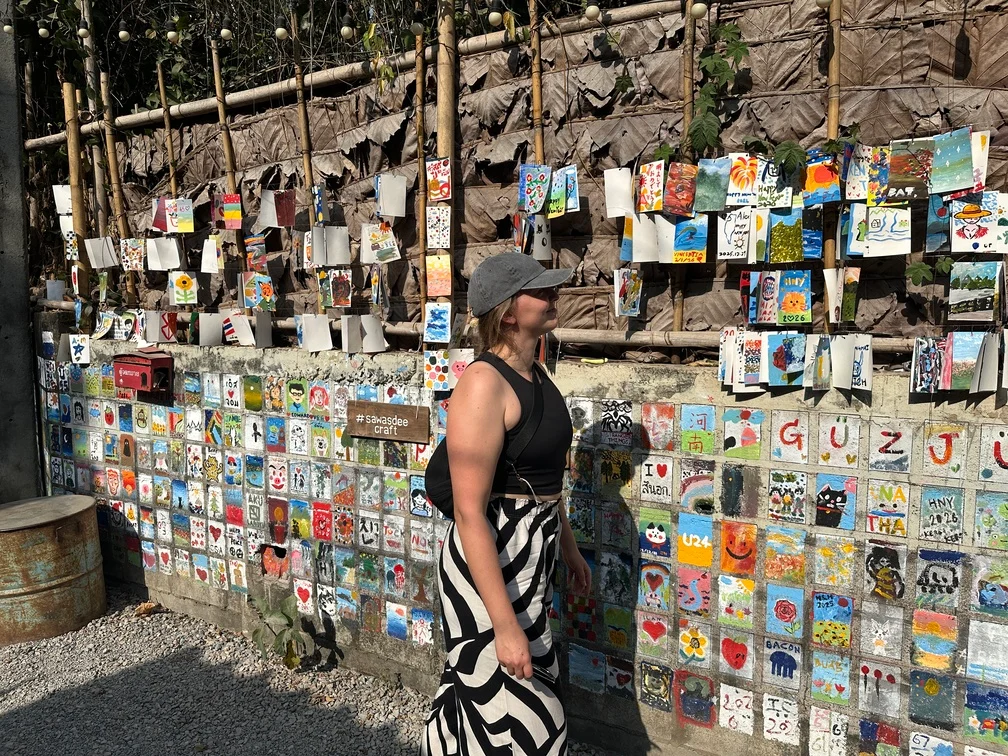
Baan Kang Wat, also known as the Artist Village, is a lovely little creative community filled with independent shops, pottery studios, handmade crafts, galleries and cafes.
Instead of big shopping malls and commercial stores, you’ll find small spaces run by local artists and makers. It’s the kind of place where you can easily spend an hour browsing ceramics, discovering handmade products or simply sitting down for a coffee.
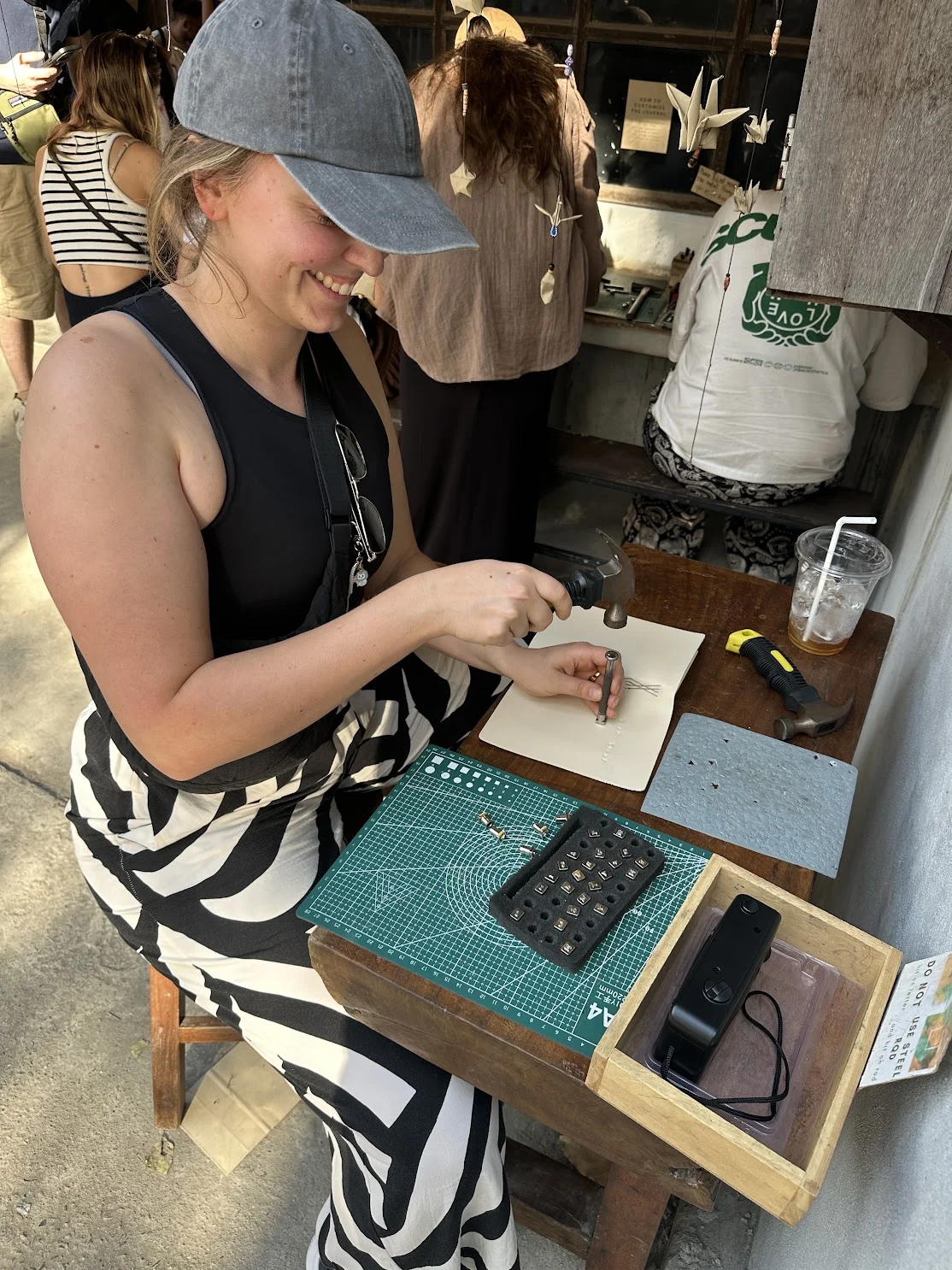
You can also try different arts and crafts, including watercolors and pottery. One of the most popular activities is personalizing your own notebook at this shop called Note a Book. And yes, I made one!
I chose my own design and personalized my notebook, which I’ve happily been using ever since. It’s one of those little travel souvenirs that actually becomes part of your everyday life rather than ending up forgotten in a drawer.
I loved the whole experience because it was a nice change from the usual sightseeing. Instead of just looking at things, you get to create something yourself. If you enjoy art and creative spaces, put Baan Kang Wat on your list!
My tip: Don’t just walk through looking at the shops. Take your time, explore the little corners and see what’s happening in the studios. Check opening days before visiting, as individual businesses may have different schedules.
4. Get inspired at Kalm Village
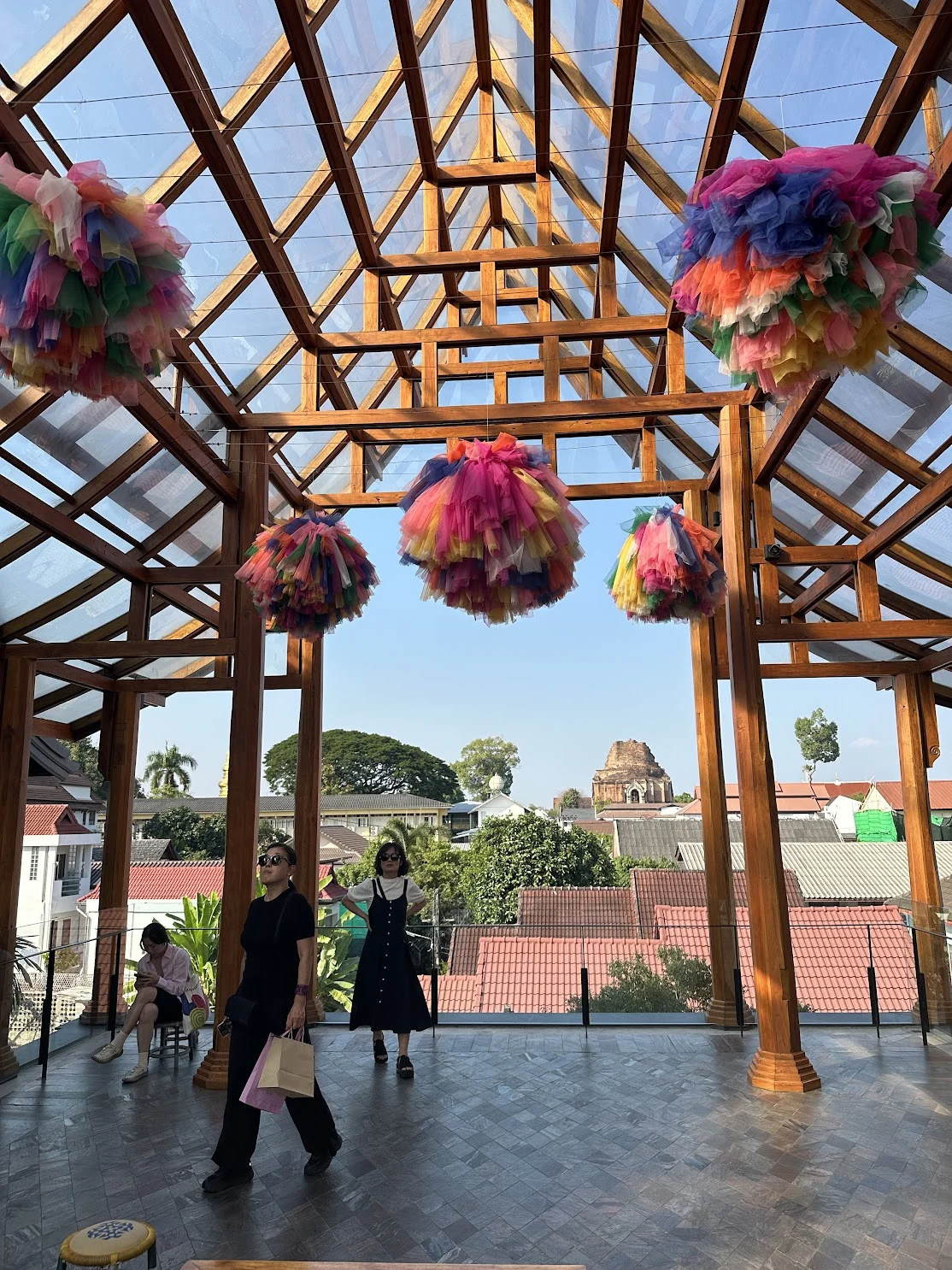
If there’s one place I’d tell you not to miss in Chiang Mai, it’s Kalm Village. I visited with a friend I met while traveling, and it turned out to be an amazing and creative space in the heart of Chiang Mai.
Kalm Village is a creative space dedicated to art, textiles, crafts and culture; free entrance. You’ll find exhibitions, design shops, a library, a coffeehouse and spaces showcasing traditional and contemporary craftsmanship.
The place has such peaceful vibes. It’s beautifully designed, calming and genuinely inspiring. I loved wandering around and looking at the different artworks. Moreover, I’ve heard they organize yoga and soundhealing there, too!
If you’re into art, creativity or simply looking for a peaceful afternoon, don’t skip this one.
My recommendation: Set aside around an hour and enjoy the atmosphere. I’d happily go back.
Website: Kalm Village
5. Take a Thai cooking class at The Rice Barn
One of my favorite ways to experience a new destination is through its food. And if you’re visiting Thailand, learning how to cook a few local dishes is a pretty great experience.
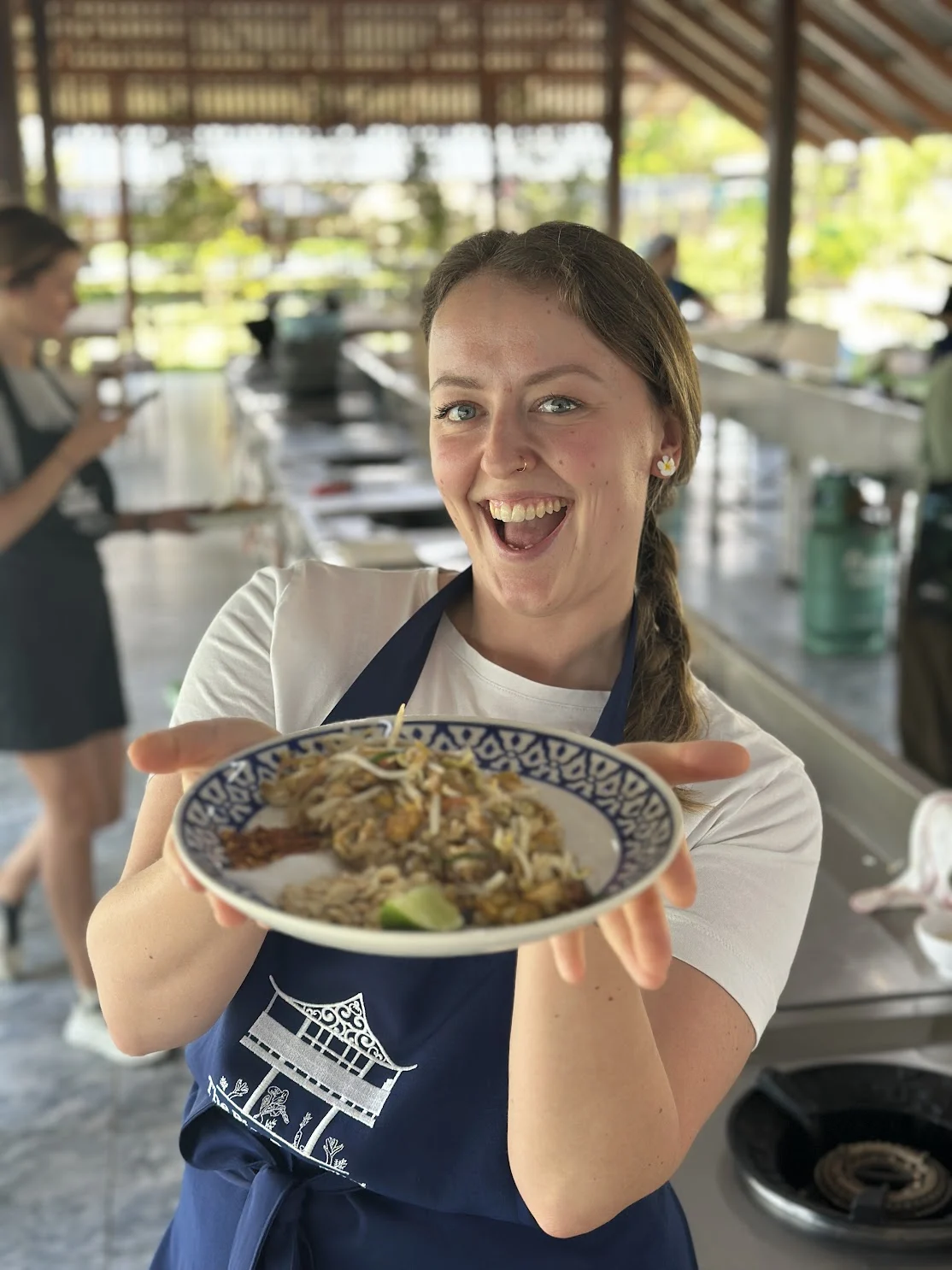
I joined a cooking course at The Rice Barn Thai Cooking Farm, and I’d definitely recommend adding something like this to your Chiang Mai itinerary. Rather than just watching someone prepare food, you actually get involved. You learn about the ingredients, prepare the dishes yourself and get a better understanding of the flavors that make Thai cuisine so good.
Depending on the course, the experience can include visiting a local market (ours did), learning about fresh herbs and spices, making curry paste from scratch and cooking several traditional dishes.
It’s also a fun activity to do with other travelers. You get to cook, eat together and usually leave with a few new recipes to try at home.
My tip: If you have the time, choose a course that includes a local market visit. Understanding the ingredients makes the cooking experience even more interesting. Also, don’t eat a huge breakfast beforehand. You’ll probably be eating quite a lot!
Website: The Rice Barn Thai Cooking Farm
6. Eat khao soi (seriously, don’t leave without trying it)
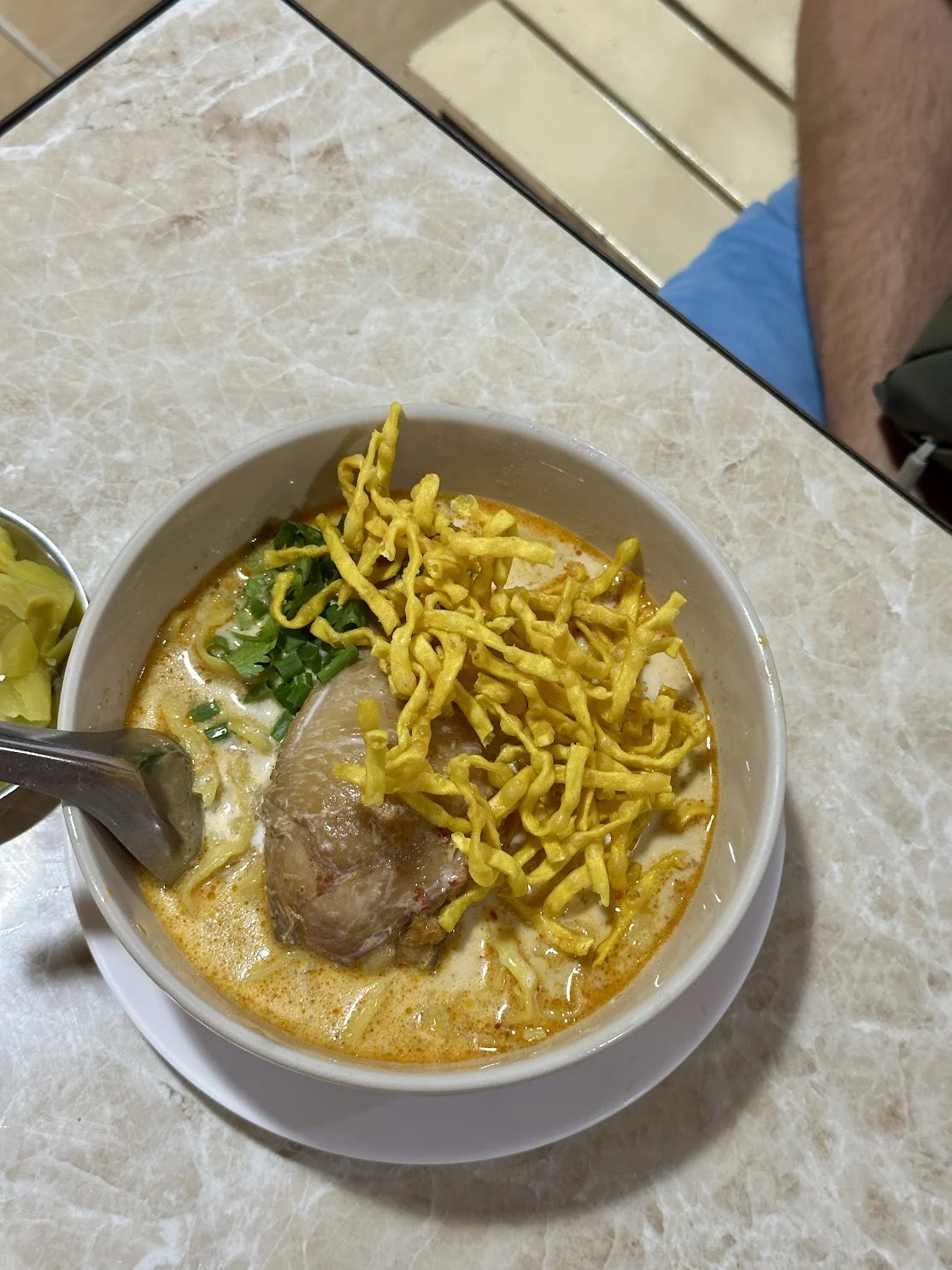
You can’t write about Chiang Mai without talking about khao soi. This Northern Thai noodle soup is one of the region’s most famous dishes, and for good reason. It usually consists of a rich, creamy coconut curry broth, soft egg noodles, crispy noodles on top and your choice of meat, often chicken.
It’s typically served with lime, pickled mustard greens, shallots and chili oil on the side, allowing you to adjust the flavors to your liking. The combination of creamy, spicy, sour and crunchy is just ridiculously good.
You’ll find khao soi at restaurants and local food stalls throughout Chiang Mai. Don’t feel like you need to find the most famous restaurant to enjoy a good bowl. Sometimes the little neighborhood places are the best discoveries.
My advice: Try it more than once. Different places have their own versions, and it’s a fun little food mission while exploring the city.
7. Visit the Sunday Walking Street Market
Chiang Mai’s Sunday Walking Street is one of the city’s most popular markets, and it’s definitely worth experiencing.
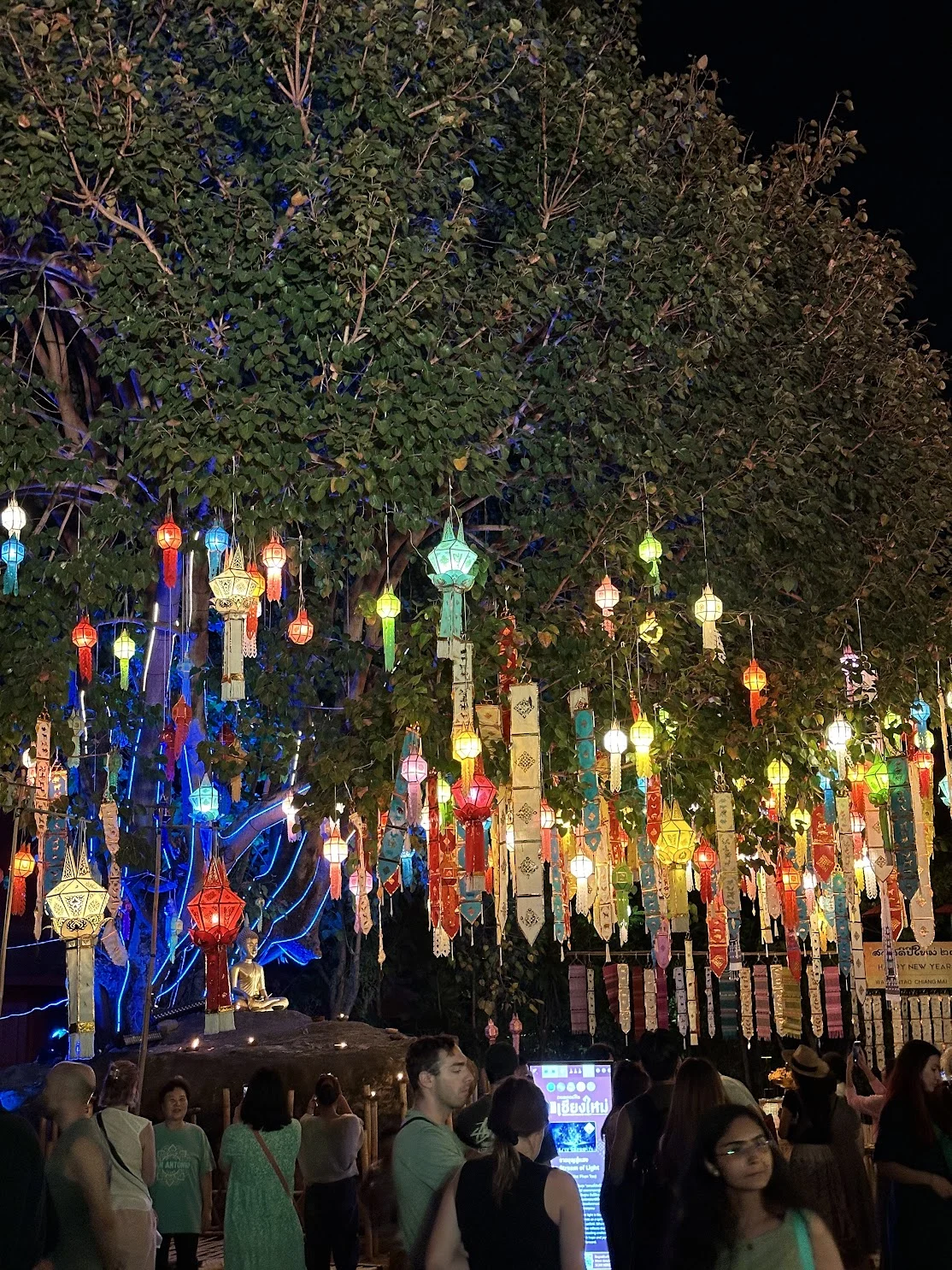
Every Sunday evening, parts of the Old City transform into a lively pedestrian market filled with food stalls, handmade products, clothing, accessories, souvenirs and local crafts. It’s a great place to discover local artists and makers, pick up a few souvenirs and, most importantly, try lots of different street food. You’ll find everything from Thai snacks and grilled food to fresh fruit juices and sweet treats.
The market can get incredibly busy, especially later in the evening, but that’s also part of its atmosphere. I personally enjoy markets where you can discover little handmade products and things you wouldn’t necessarily find elsewhere. Keep an eye out for jewelry, ceramics, artwork and other locally made items.
My tip: Arrive around 5 pm or 6 pm if you want a little more room to explore before the biggest crowds build up. Bring cash and go hungry!
If you’re in Chiang Mai on a Saturday instead, the Wua Lai Walking Street is another popular option.
8. Explore the Coconut Market
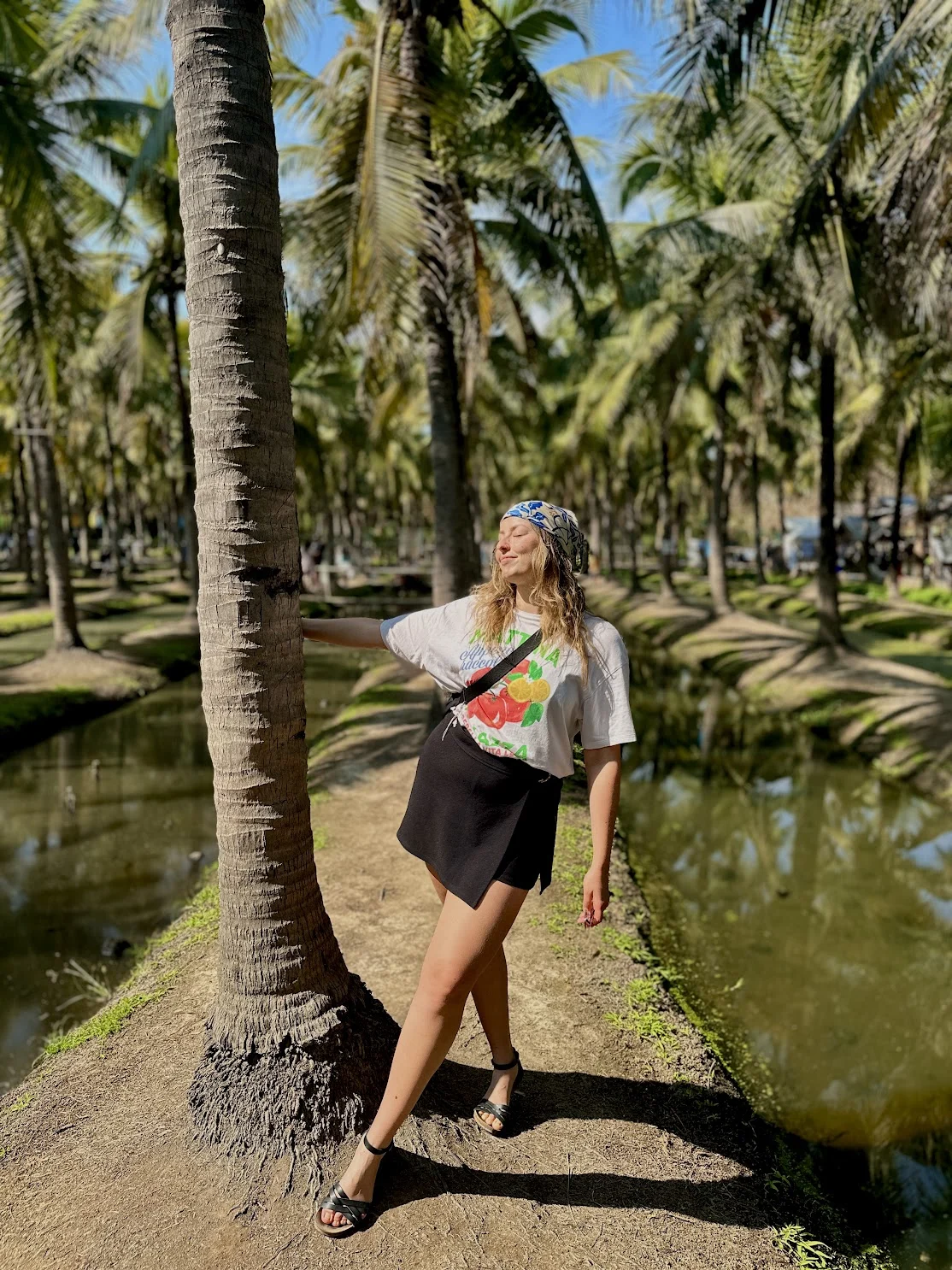
If I had to pick one market experience to recommend in Chiang Mai, the Coconut Market would be high on my list. It’s such a beautiful place to walk around. Instead of the usual crowded city market streets, you’ll find little canals, palm trees, wooden walkways and plenty of small stalls selling food, drinks, clothes, souvenirs and handmade products.
The setting is what makes it special. It’s a lovely place to wander around without a particular shopping mission, grab a coffee, try some local food and enjoy the surroundings.
You’ll also find some nice things to take home, from handmade crafts and art to clothing and little souvenirs.
I especially liked that it felt like an experience in itself rather than just somewhere to buy things.
My tip: Go with an empty stomach and take your time. It’s a great spot for a relaxed morning or afternoon, especially if you enjoy markets that have a little more character than the typical tourist shopping streets.
9. Find your favorite yoga studio in Chiang Mai
As a yoga teacher myself, I couldn’t NOT include yoga here. Chiang Mai has a pretty great yoga scene, which makes it an easy place to keep up with your practice while traveling.
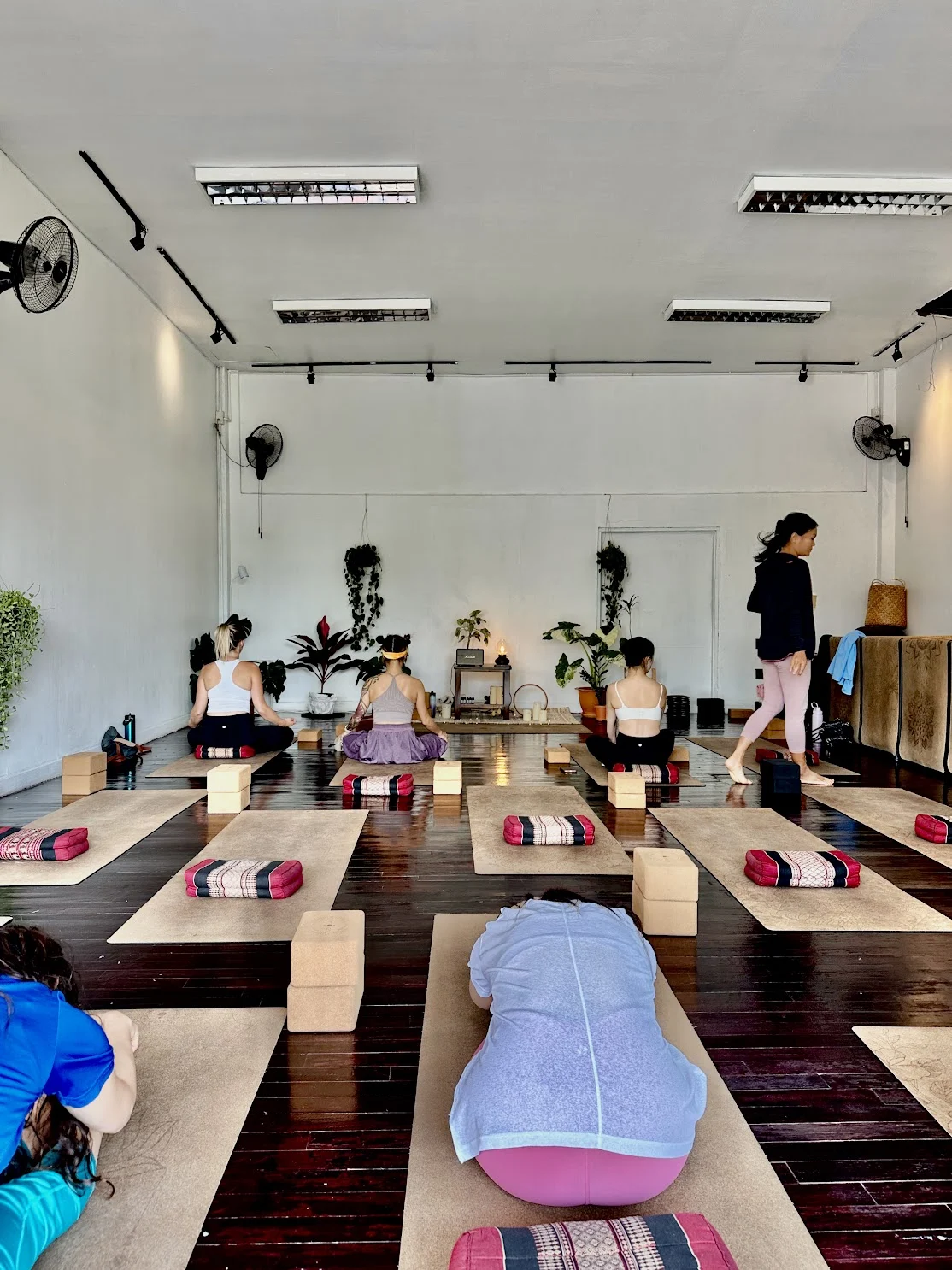
I personally tried out a few studios during my time there, and my absolute favorite was Studio Layla Yoga. The studio is located in the Old City, close to Tha Phae Gate, making it easy to fit a class into your day. It offers different styles and mixed-level classes, so you don’t need to be an advanced yogi to join.
What I liked most was the overall experience. It’s a welcoming space where you can slow down, move your body and take a break from the constant stimulation of traveling. In addition, the space was just super cozy and beautiful. Whether you’re a regular yoga practitioner or just want to try something different while in Chiang Mai, I’d recommend checking out their schedule.
My recommendation: Book a class in advance if you have a particular time in mind.
Website: Studio Layla Yoga
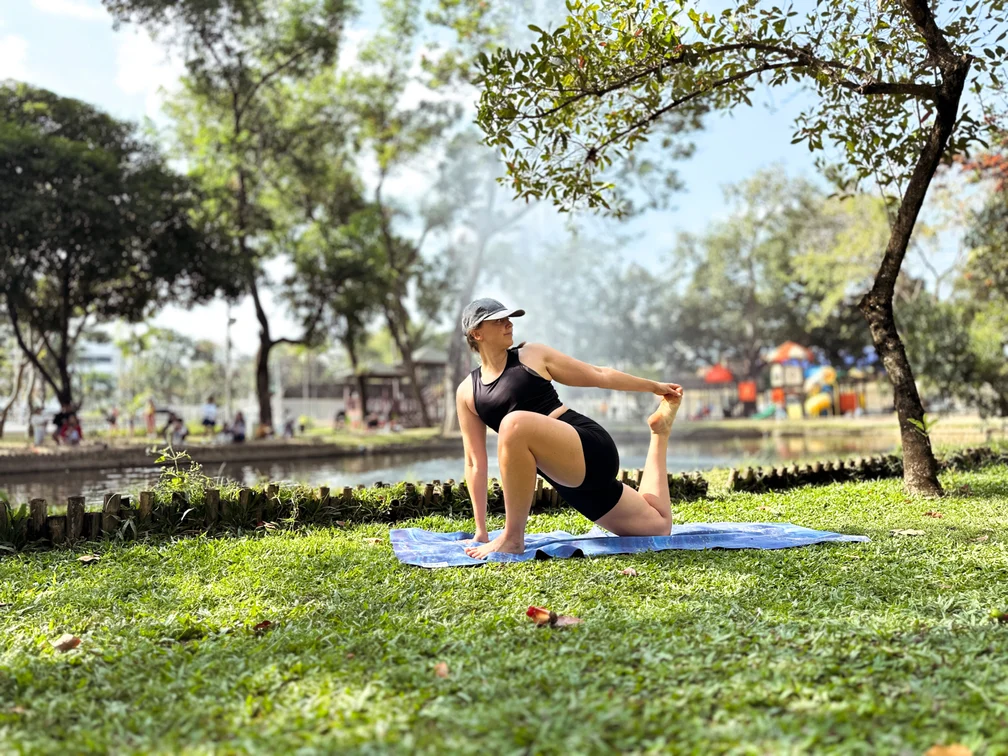
10. Try yoga in the park
If you’d rather practice outdoors, keep an eye out for community yoga sessions at Buak Haad Public Park in the southwest corner of the Old City.
It’s a lovely green space where locals and visitors come to exercise, relax, walk around the pond and spend time outdoors. Community yoga sessions have also been organized here, offering a more casual alternative to a studio class. The idea of practicing yoga surrounded by trees, with the city slowly waking up around you, is pretty appealing.
Just make sure to check current community schedules before showing up specifically for a class. Sessions can change, and not every day will have an organized yoga activity. Even without yoga, the park is worth a visit if you need a little break from sightseeing.
Facebook group for community yoga: https://www.facebook.com/groups/289951174859604/
11. Slow down and enjoy Chiang Mai’s cafe culture
One thing I really enjoyed about Chiang Mai was how easy it was to find a nice cafe. Whether you’re looking for specialty coffee, somewhere to read a book, a place to work for a few hours or simply a break from the heat, the city has plenty of options.
I tried quite a few cafes during my month there, and these three were among my favorites:
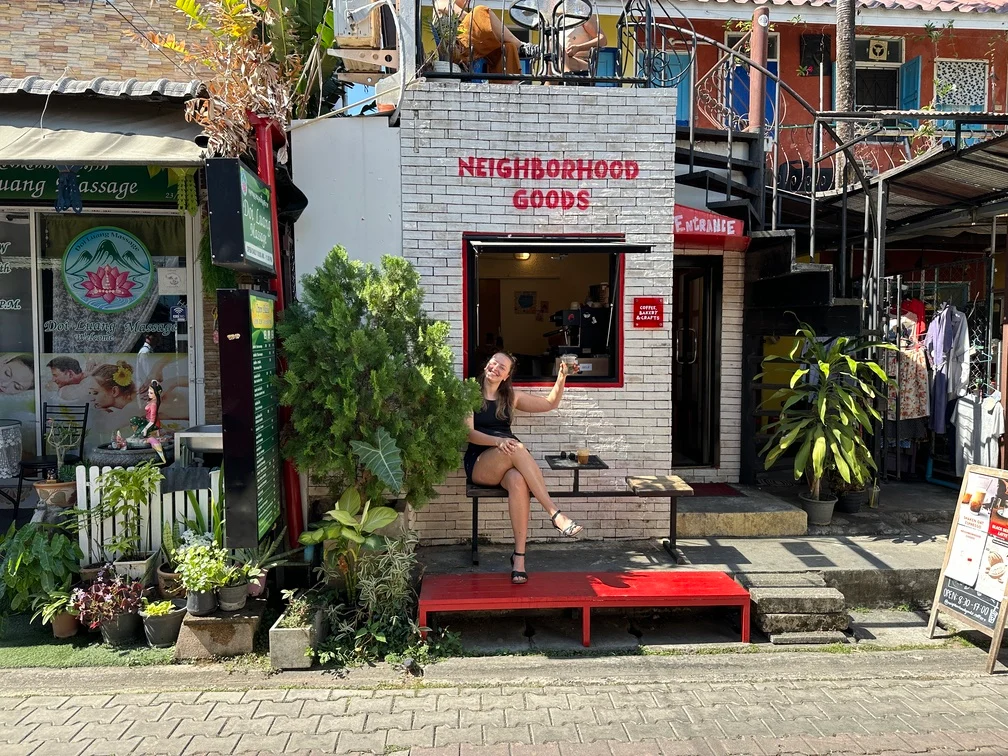
Neighborhood Goods Specialty Coffee
A lovely spot for good specialty coffee and a relaxed cafe atmosphere. Definitely worth checking out if you enjoy discovering independent coffee places. PS: make sure to try out their shaken oat espresso - so gooood!
Pegasus Café & Roastery
Another great coffee stop. A nice option if you appreciate good coffee and enjoy exploring Chiang Mai’s cafe scene.
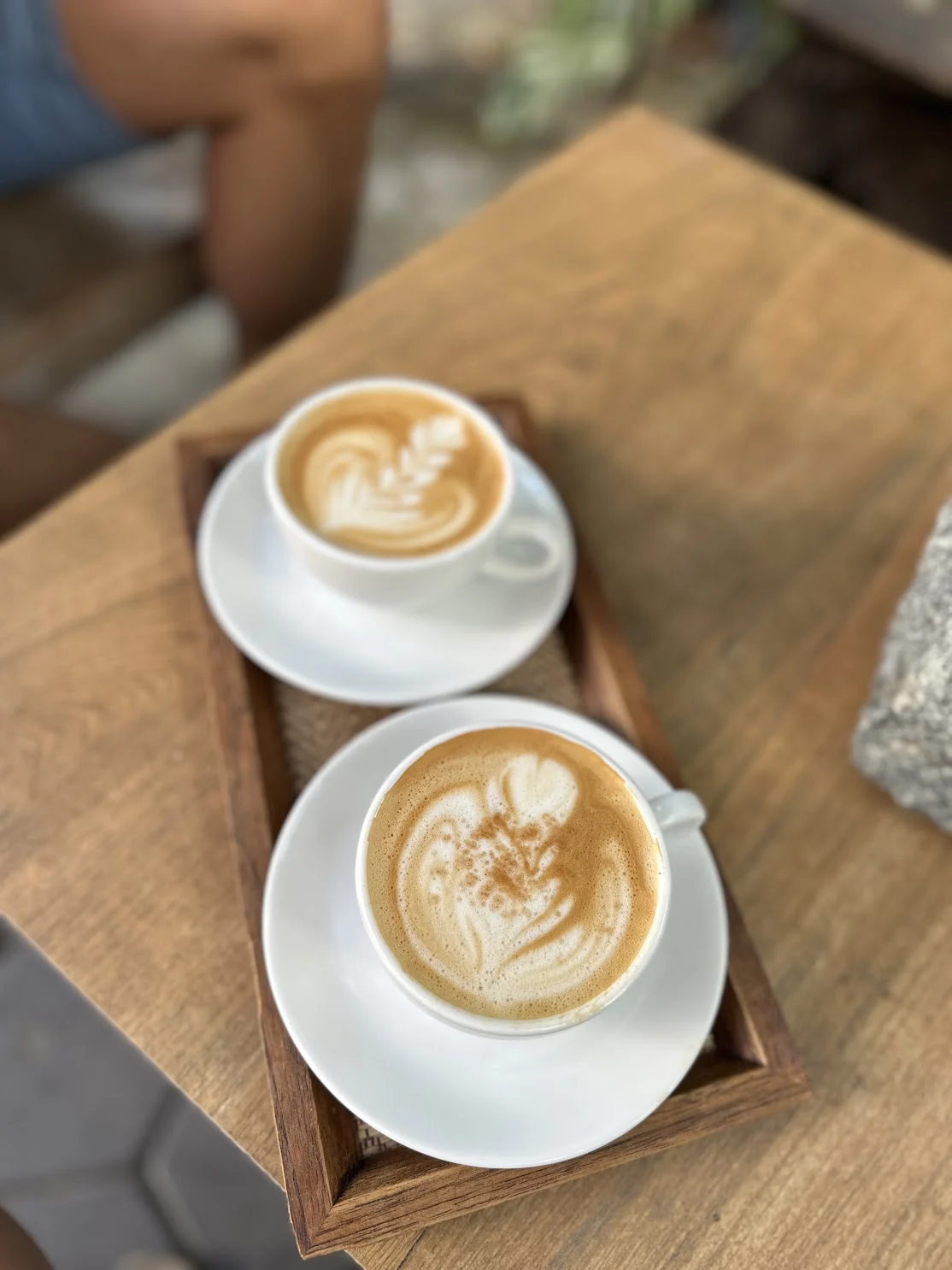
kurokuro.coffee.roaster
One more for your coffee list. If you’re into specialty coffee, add this one to your map.
My advice? Don’t turn every cafe visit into a productivity session. Sometimes it’s nice to order a coffee, put your phone away and just enjoy being somewhere new.
12. Explore Nimman, Chiang Mai’s creative neighborhood
Nimmanhaemin, usually called Nimman, is one of Chiang Mai’s most popular neighborhoods, especially among younger travelers, creatives and digital nomads.
It’s a different side of the city compared with the Old City. You’ll find trendy cafes, restaurants, boutiques, galleries, wellness studios and plenty of places to spend an afternoon. It’s also a good area if you’re staying in Chiang Mai for longer and want to get a feel for everyday life beyond the main tourist attractions.
Spend some time walking around the smaller streets, checking out independent businesses and finding a cafe you want to return to.
If you enjoy a combination of city life, coffee culture and creative spaces, Nimman is definitely worth exploring.
13. Discover Chiang Mai’s local markets beyond the Walking Street
Chiang Mai has plenty of markets beyond the famous Saturday and Sunday Walking Streets.
If you want to get a better feel for local life, visit some of the daytime markets too.
A few worth exploring include:
- Warorot Market: A busy traditional market where you can find local snacks, fresh produce, clothing and everyday goods.
- Jing Jai Market: A popular weekend market with local products, food, crafts and a relaxed atmosphere.
- Ton Lamyai Market: Located near the Ping River, this market is particularly interesting for its flowers and fresh produce.
These markets are a nice way to see a different side of Chiang Mai and discover products and food you might not come across in the more tourist-oriented shopping streets.
14. Leave some time to explore without a plan
This might sound like an obvious recommendation, but it’s genuinely one of the best things you can do in Chiang Mai.
Don’t fill every single day with temples, markets and organized activities.
Some of the nicest travel moments happen when you have nowhere particular to be. You walk down a street because it looks interesting, stop at a small coffee shop, find a handmade jewelry store or meet someone who recommends a place you hadn’t heard about.
Chiang Mai is a particularly good city for this kind of travel. It’s easy to explore, has plenty of independent businesses and offers a nice balance between urban life and nature.
So leave a little room in your itinerary for spontaneous discoveries.
How many days do you need in Chiang Mai?
I’d recommend spending at least three days in Chiang Mai, although five days or a week would be even better if you want to explore the surrounding areas.
Here’s a rough idea of how I’d organize your time:
| How long | What to prioritize |
|---|---|
| 1–2 days | Old City temples, Doi Suthep, local food and a market |
| 3 days | Add Wat Pha Lat, Baan Kang Wat, Kalm Village and a cooking class |
| 4–5 days | Add Chiang Dao, yoga, Coconut Market and more time exploring neighborhoods |
| 1 week or more | Explore at a slower pace, take additional day trips and enjoy everyday life |
You don’t need to see everything. I’d rather spend a little longer in a few places than rush around trying to tick off every attraction.
How to get from Chiang Mai to Bangkok
When it’s time to leave Northern Thailand, getting from Chiang Mai to Bangkok is just as straightforward as the journey in the other direction.
You have three main options:
Flight: The quickest and most convenient option. Direct flights connect Chiang Mai International Airport with Bangkok’s airports. Check which Bangkok airport you’re arriving at, as Suvarnabhumi and Don Mueang are in different parts of the city.
Overnight train: A great option if you enjoyed the journey north. You can book a sleeper berth and travel overnight, arriving in Bangkok the following morning. Reserve in advance, especially during busy travel periods.
Bus: Usually a budget-friendly choice, although it’s a long journey. Overnight buses are available, so you can travel while you sleep.
I’d choose the train if you have time and want to enjoy a different kind of travel experience. If you’re trying to get back to Bangkok quickly, flying makes more sense.
When is the best time to visit Chiang Mai?
Chiang Mai has three broad seasons: cool, hot and rainy. The experience can be quite different depending on when you visit.
Cool season (roughly November to February): Often considered the most comfortable time for sightseeing and outdoor activities. Temperatures are generally more pleasant, although this is also a popular period for visitors. I really enjoyed the chilly mornings and evenings in February!
Hot season (roughly March to May): Temperatures can get very high. This period also overlaps with the burning season, when agricultural burning and other sources of pollution can contribute to very poor air quality in Northern Thailand.
Rainy season (roughly June to October): Expect tropical showers, greener landscapes and potentially fewer visitors. Rain doesn’t necessarily mean it will pour all day, but outdoor plans can be affected.
A note about Chiang Mai’s burning season
This is something I’d genuinely recommend researching before booking a longer stay.
Chiang Mai can experience significant air pollution during the burning season, particularly in late winter and spring. The exact timing and severity vary from year to year.
If you’re planning to hike, spend lots of time outdoors or work remotely from Chiang Mai for a month or longer, check current air-quality conditions before making your decision.
Useful resource: IQAir.
Is Chiang Mai good for digital nomads?
Absolutely. Chiang Mai has long been a popular destination for remote workers, and it’s easy to understand why. The city offers a combination of relatively affordable everyday living, a good cafe and coworking scene, plenty of wellness activities and easy access to nature.
You can work from a cafe in Nimman in the morning, grab lunch at a local restaurant, join a yoga class in the afternoon and explore a night market in the evening.
It’s also a place where it’s relatively easy to meet other people. Cooking classes, fitness studios, community events and social spaces offer plenty of opportunities to connect with fellow travelers and remote workers.
But I think one of the nicest things about Chiang Mai is that you don’t need to be productive all the time. It’s a good place to find a routine, slow down a little and enjoy everyday life.
How to keep track of your Chiang Mai adventures with Wentfar
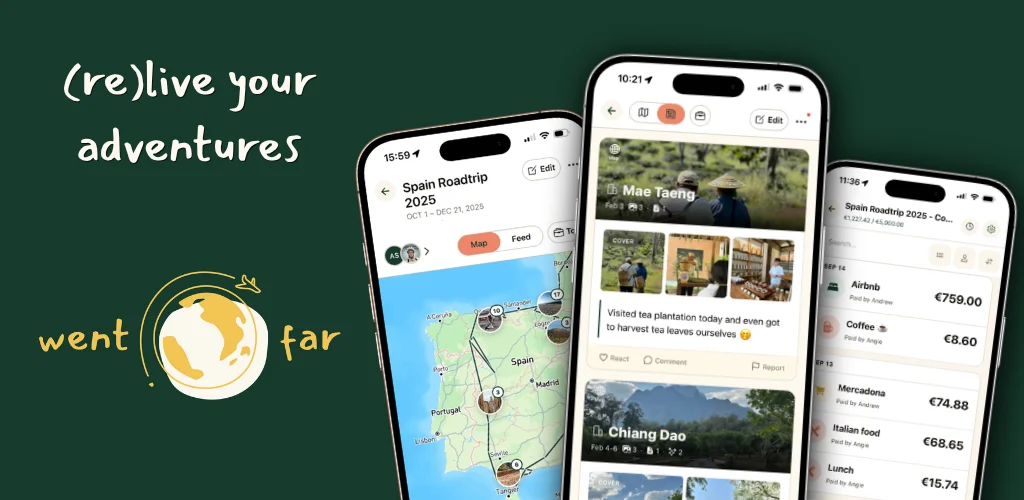
When you’re traveling, you end up discovering so many places that it’s easy to forget where you went, what you loved and which little cafe someone recommended. That’s actually one of the reasons I built Wentfar.
I wanted a better way to keep my travel memories organized and share my adventures with friends and family back home. Instead of having photos scattered across my camera roll, Google Photos albums and different apps, Wentfar brings your travel experiences together in one visual trip feed and map.
You can document the places you visit, add photos and memories, keep track of your adventures and create a shareable trip that friends and family can follow.
So whether you’re spending a week in Chiang Mai or traveling around Thailand for several months, you can keep all those little discoveries in one place.
Planning your next adventure? Download Wentfar for free at wentfar.com and start creating your own visual travel story.
Frequently asked questions about Chiang Mai
Is Chiang Mai worth visiting?
Definitely. Chiang Mai offers a great combination of culture, nature, food, markets and a relaxed city atmosphere. Whether you’re interested in temples, outdoor adventures, creative spaces or simply enjoying local life, there’s plenty to do.
How many days should I spend in Chiang Mai?
Three days is a good starting point for exploring the main attractions. If you want to visit Chiang Dao and some of the surrounding areas, I’d recommend five days or more.
Is Chiang Mai expensive?
Compared with many major international cities, Chiang Mai can be relatively affordable. Local food, transport and everyday activities can be budget-friendly, although accommodation, international restaurants, organized tours and lifestyle choices will affect your overall spending.
Is Chiang Mai good for solo travelers?
Yes. It’s a popular destination among solo travelers, and there are plenty of opportunities to meet people through cooking classes, yoga studios, markets, cafes and organized day trips.
What food should I try in Chiang Mai?
Start with khao soi, the famous Northern Thai coconut curry noodle soup. Other dishes worth trying include sai ua (Northern Thai sausage), nam prik noom (green chili dip) and mango sticky rice.
Is Chiang Mai safe for tourists?
Chiang Mai is generally considered a welcoming destination for travelers, but normal precautions still apply. Be mindful of your belongings, take care when using scooters and check local conditions before heading out on hikes or remote excursions.
Can you visit Chiang Dao as a day trip from Chiang Mai?
Yes. Chiang Dao is around 70 km north of Chiang Mai, and the drive generally takes around 1.5 hours each way. You can visit the cave and nearby temples in a day, although staying overnight gives you more time to explore the area.
Final thoughts: Chiang Mai is a place worth slowing down for
There are plenty of reasons to visit Chiang Mai. The temples are beautiful, the food is incredible, the surrounding mountains are worth exploring and the markets are full of interesting things to discover.
But what I enjoyed most was the combination of everything. You can have a day full of sightseeing and adventure, or do almost nothing beyond finding a nice cafe, going to yoga and wandering through a creative neighborhood.
After spending a month there, I can honestly say Chiang Mai is a place I’d happily return to! It’s not just a destination where you go to see attractions. It’s a place where you can settle into a nice little routine, meet interesting people and enjoy the everyday moments along the way.
If you’re planning a trip to Northern Thailand, make sure you give Chiang Mai enough time. You might end up staying longer than you originally planned.