
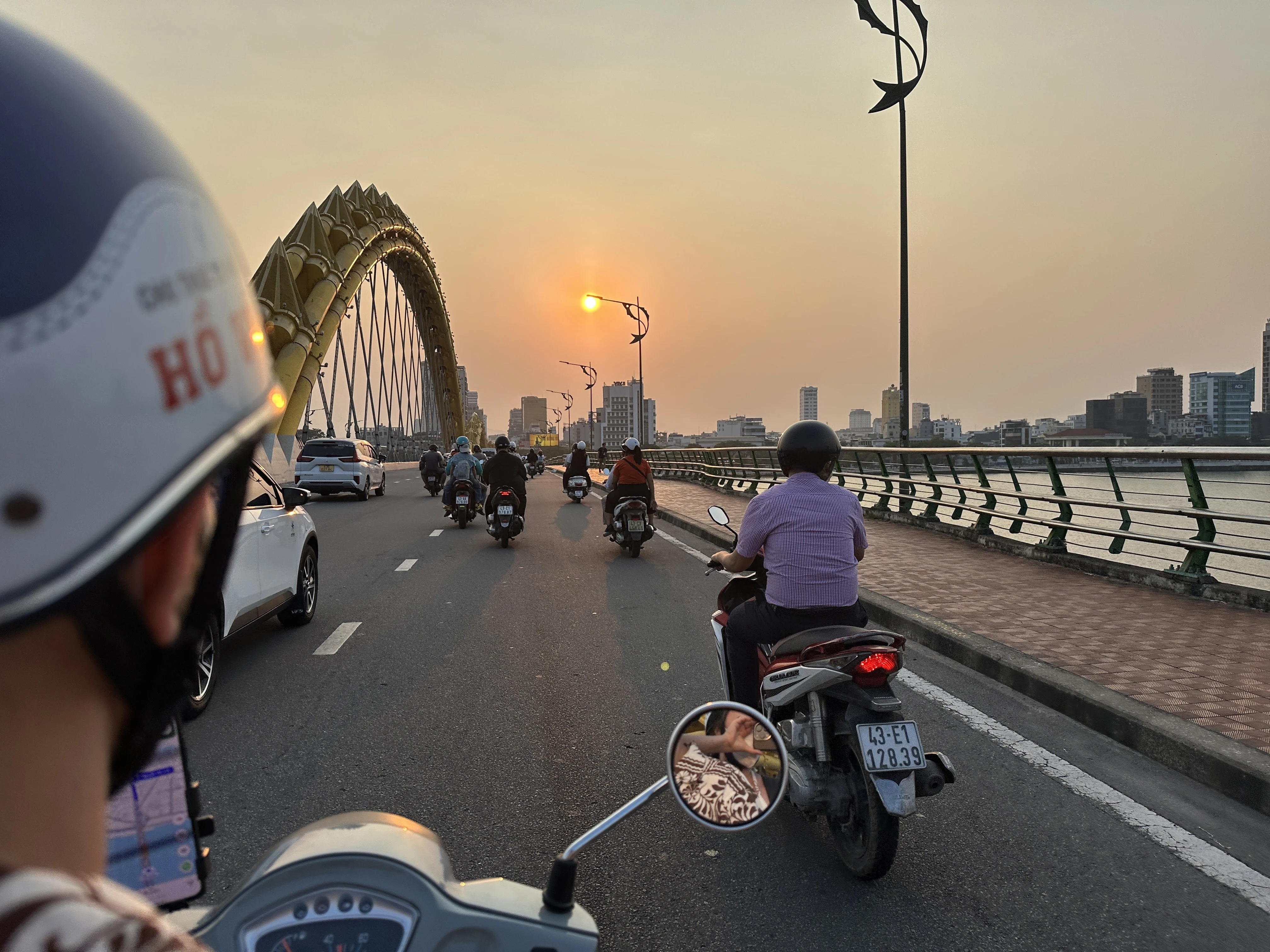
Da Nang is one of those destinations that has a little bit of everything. Think beautiful beaches, dramatic mountain scenery, vibrant street food, fascinating temples, and a lively city atmosphere. Located on Vietnam’s central coast, it’s also a great base for exploring some of the country’s most interesting cultural and natural attractions. And, it’s become very popular among (digital) nomads.
Whether you’re visiting for a few days, adding Da Nang to a longer Vietnam itinerary, or simply looking for a place to slow down by the sea, there’s plenty to keep you busy. In the beginning of 2026, I spent a whole month in Da Nang and am happy to share some tips.
Not sure where to start? Here are 11 of the best things to do in Da Nang, including the famous sights, local experiences, and a few places worth getting off the beaten path for.
1. Spend a day at My Khe Beach
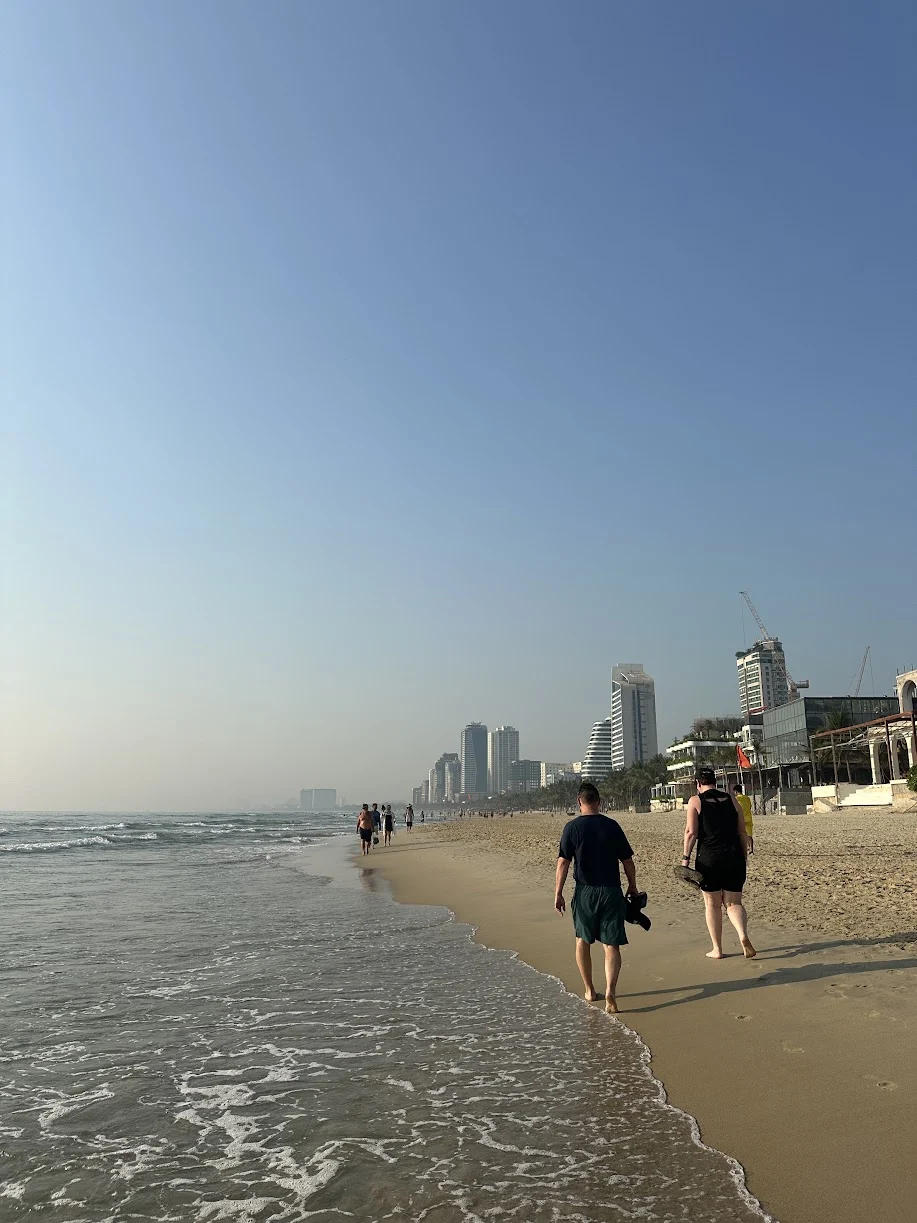
Yes, it’s a classic. You can’t visit Da Nang without spending some time at the beach. My Khe Beach is the city’s most famous stretch of coastline, known for its soft white sand, clear water, and long shoreline lined with cafés, restaurants, and beach resorts.
It’s a great place to start your morning with a swim, rent a sun lounger, or simply enjoy a few hours doing absolutely nothing. If you’re an early riser, I’d highly recommend heading there around sunrise. You’ll see locals swimming, playing volleyball, exercising, and enjoying the cooler morning air. In fact, mornings tend to be super busy there.
For something more active, you can also try surfing, paddleboarding, or other water activities depending on the conditions.
Travel tip: Visit early in the morning or later in the afternoon to avoid the strongest midday sun.
2. Explore the Marble Mountains
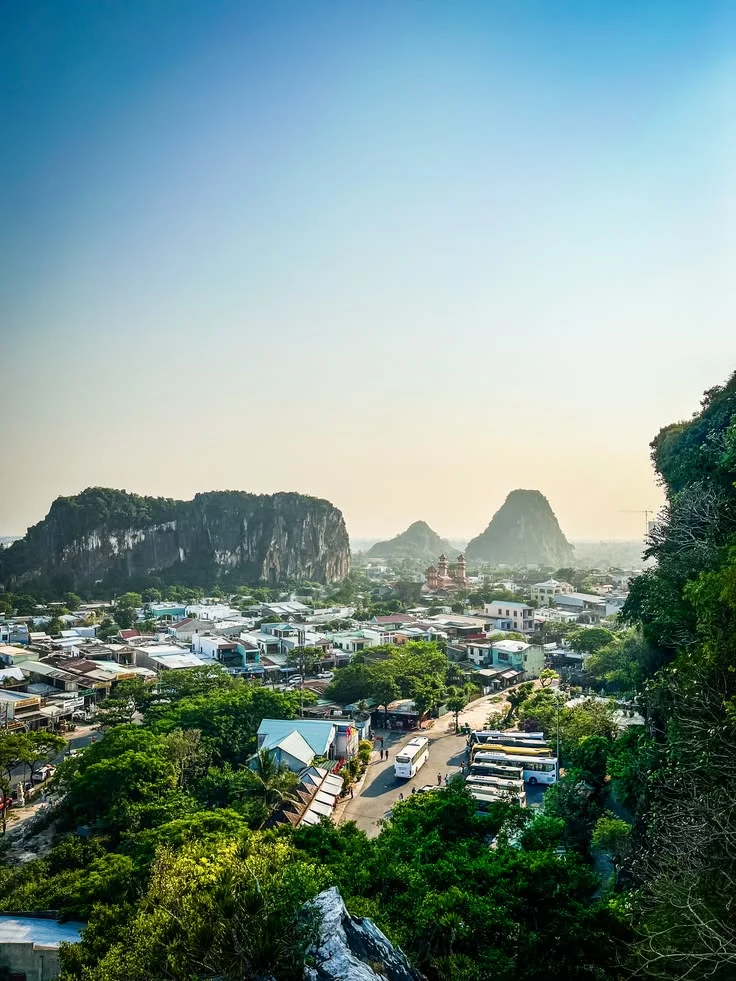
The Marble Mountains are one of Da Nang’s most iconic attractions. This cluster of five limestone and marble hills is home to caves, Buddhist sanctuaries, temples, and viewpoints overlooking the surrounding coastline.
You can climb the steps to explore the different caves and pagodas, including the impressive Huyen Khong Cave, where natural light filters through openings in the ceiling.
The climb can be a little challenging in places, but the views and peaceful atmosphere make it worthwhile. There’s also an elevator for extra cost if you’d rather skip some of the stairs.
Travel tip: You can enter at 7am and I would highly recommend going early! Wear comfortable shoes and bring water. Allow around two hours to explore without rushing.
Source: Pinterest
3. Walk across the famous Golden Bridge at Ba Na Hills
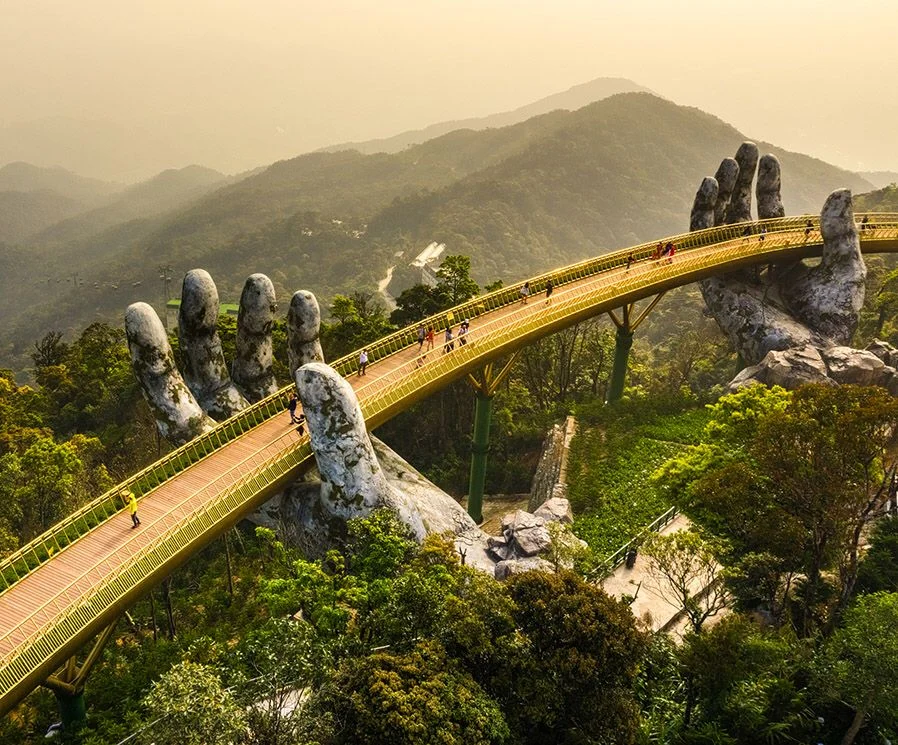
You’ve probably seen photos of this one. The Golden Bridge, held up by two enormous stone-looking hands, has become one of Vietnam’s most recognizable landmarks.
Located in the Ba Na Hills mountain resort, the bridge sits high above the surrounding landscape and offers spectacular views, especially on a clear day.
But there’s more to Ba Na Hills than the bridge. You can take a scenic cable car ride, explore the French Village, visit gardens, and enjoy various entertainment attractions.
It’s a full-day experience rather than a quick photo stop, so plan accordingly.
Travel tip: Try to arrive early to beat the crowds. Mountain weather can change quickly, so check the forecast before visiting.
Source: Pinterest
4. Watch the Dragon Bridge light up at night
The Dragon Bridge is one of Da Nang’s most recognizable landmarks, connecting the city center across the Han River. During the day, it’s an impressive piece of architecture, but it really comes alive after dark when it’s illuminated with colorful lights.
If you’re visiting over the weekend, try to catch the famous fire and water show, when the dragon breathes fire and sprays water from its mouth. It’s a fun, completely free experience and a great excuse to explore the riverfront in the evening.
Travel tip: The fire and water show takes place at 9 PM on Friday, Saturday and Sunday. Arrive early to find a good viewing spot.

Source: Pinterest
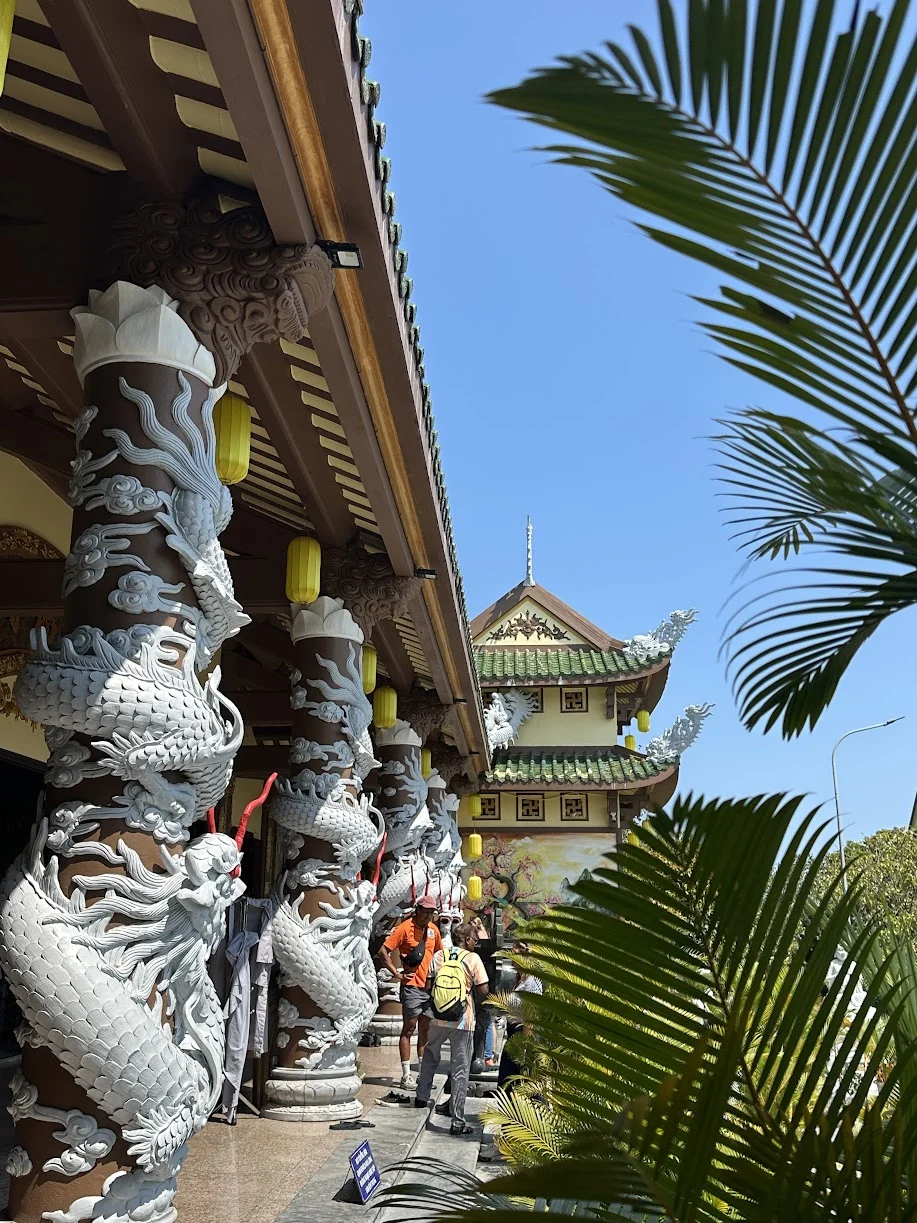
5. Visit Linh Ung Pagoda and the Lady Buddha statue
Only a short scooter-ride away from the centre of Da Nang you will find a calm oasis. For a mix of culture, architecture, and incredible views, head to Linh Ung Pagoda on the Son Tra Peninsula.
The highlight is the enormous 67-meter Lady Buddha statue overlooking the sea. It’s one of Da Nang’s most recognizable landmarks and can be spotted from several points along the coastline.
The pagoda complex itself is beautiful, with traditional Buddhist architecture, peaceful courtyards, and views stretching across the ocean and city.
Even if you’re not particularly interested in religious sites, it’s worth visiting for the scenery and the calm atmosphere.
Travel tip: Combine this visit with a drive around the Son Tra Peninsula. Remember to dress respectfully when entering the temple grounds.
6. Take a scenic drive around Son Tra Peninsula
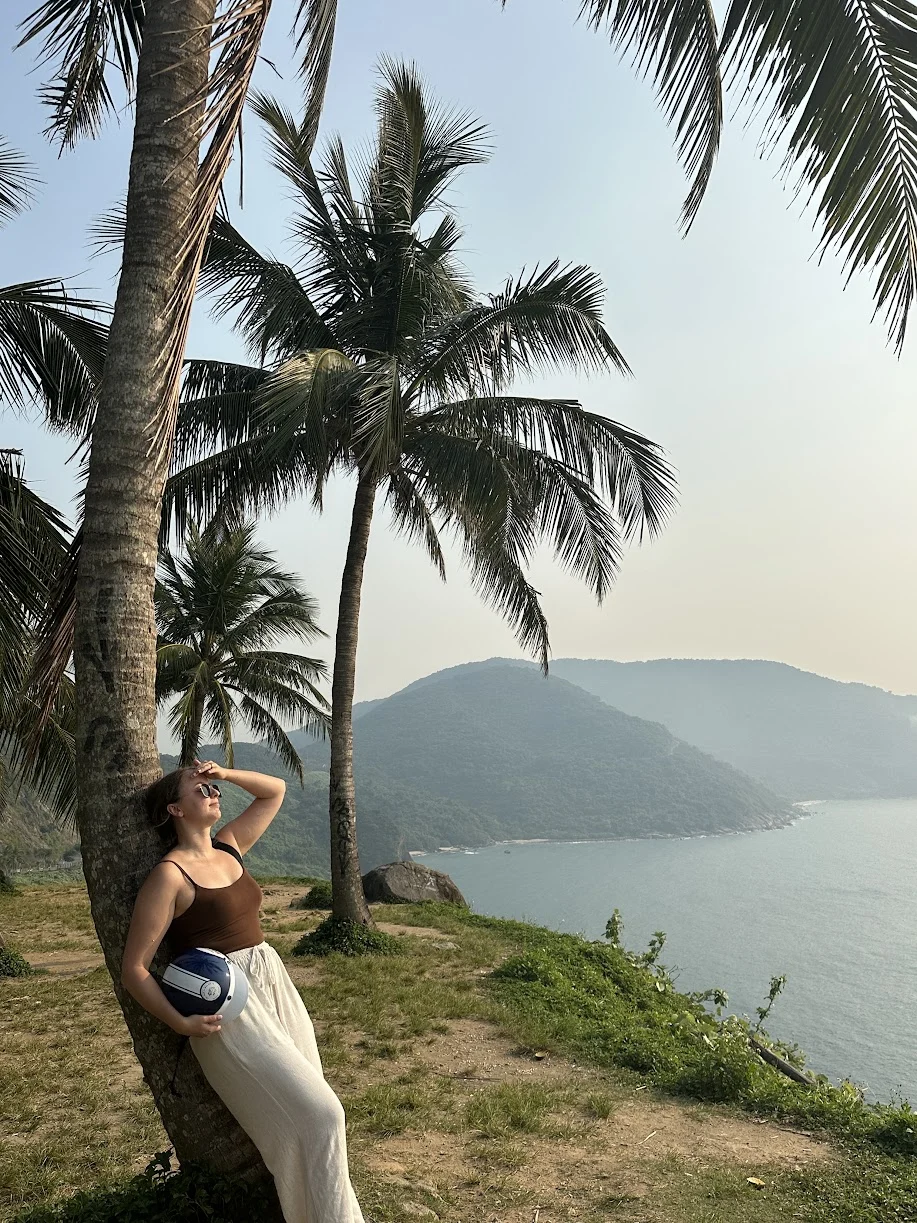
If you enjoy getting out of the city and exploring at your own pace, Son Tra Peninsula should be high on your list!
Also known as Monkey Mountain, this lush peninsula is covered in forest and surrounded by beautiful coastline. The winding roads offer some of the best panoramic views in the area, with plenty of opportunities to stop for photos.
We headed to Son Tra early morning, around sunrise to beat the heat. Turns out we also beat the crowds because on the way back there was already a completely different vibe.
One of the most popular stops is Ban Co Peak, where you can enjoy sweeping views over Da Nang from above. On a clear day, the scenery is particularly impressive.
Son Tra is also home to the endangered red-shanked douc langur, a striking primate with colorful markings. Keep your eyes open, but remember to observe wildlife from a respectful distance.
Travel tip: A motorbike is a popular way to explore the peninsula, but the roads can be steep and winding. If you’re not an experienced rider, consider hiring a car with a driver or joining a guided tour.
7. Discover Vietnamese history at the Museum of Cham Sculpture
Da Nang isn’t just about beaches and mountain views. It also has a fascinating cultural side, and the Museum of Cham Sculpture is one of the best places to discover it.
The museum houses an impressive collection of sculptures and artifacts from the ancient Champa civilization, which flourished in central and southern Vietnam for centuries.
Inside, you’ll find sandstone carvings, religious figures, and intricate architectural details that offer a glimpse into the region’s history and Hindu-Buddhist influences.
It’s a relatively compact museum, making it an easy addition to your itinerary, especially if you want a break from the heat.
Travel tip: Set aside around one hour for your visit. It’s also conveniently located near the Han River and Dragon Bridge.
8. Get lost in the local markets
One of the best ways to experience a new destination is through its markets, and Da Nang has a few worth exploring.
Start with Han Market, one of the city’s best-known traditional markets. It’s a lively place filled with fresh produce, dried seafood, coffee, local snacks, clothing, souvenirs, and plenty of things you probably didn’t know you needed.
For a more food-focused experience, head to Con Market - it’s also my favorite. It’s particularly popular for its street food stalls, where you can try local specialties at affordable prices.
Don’t be afraid to wander around, try something unfamiliar, and soak up the atmosphere. Markets can be crowded and a little chaotic, but that’s often part of the fun.
Travel tip: Bring cash and small notes. If you’re shopping for souvenirs, compare prices between stalls before buying. Also, haggle a bit :)
9. Try Da Nang’s local food
If there’s one thing you shouldn’t skip in Da Nang, it’s the food. Central Vietnamese cuisine has its own distinct flavors, and the city is a fantastic place to explore them.
Here are a few local dishes worth trying:
- Mì Quảng: A regional noodle dish made with turmeric-colored noodles, herbs, peanuts, and a small amount of flavorful broth.
- Bún chả cá: A comforting noodle soup with fish cakes, fresh herbs, and a light, savory broth.
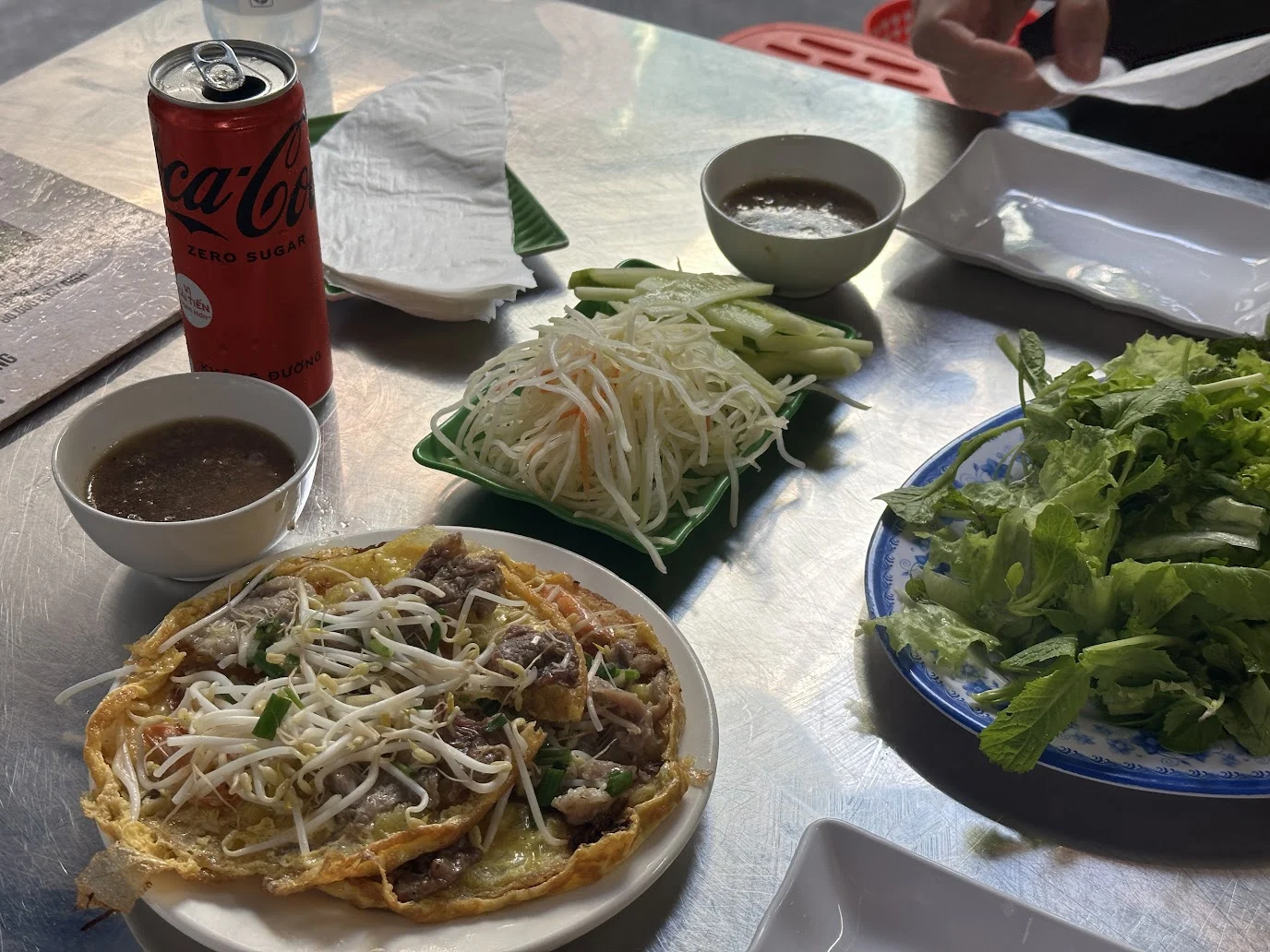
- Bánh xèo: Crispy Vietnamese pancakes filled with shrimp, pork, and bean sprouts, usually served with fresh greens and dipping sauce.
- Bánh tráng cuốn thịt heo: Thinly sliced pork wrapped in rice paper with fresh vegetables and herbs, served with a distinctive fermented anchovy dipping sauce.
And, of course, don’t forget Vietnamese coffee. Whether you prefer traditional iced coffee with condensed milk or the famous egg coffee, there are plenty of cafés to discover.
PS: Our local guide once said that different coffee drinks come from different regions and you should try these base don where you are. Famous salt coffee comes from Hue, a city close to Da Nang, so give it a try while you’re there!
Travel tip: Look beyond the restaurants aimed at tourists. Some of the best meals can be found at small local eateries and busy street-side spots.
10. Ride the Hai Van Pass
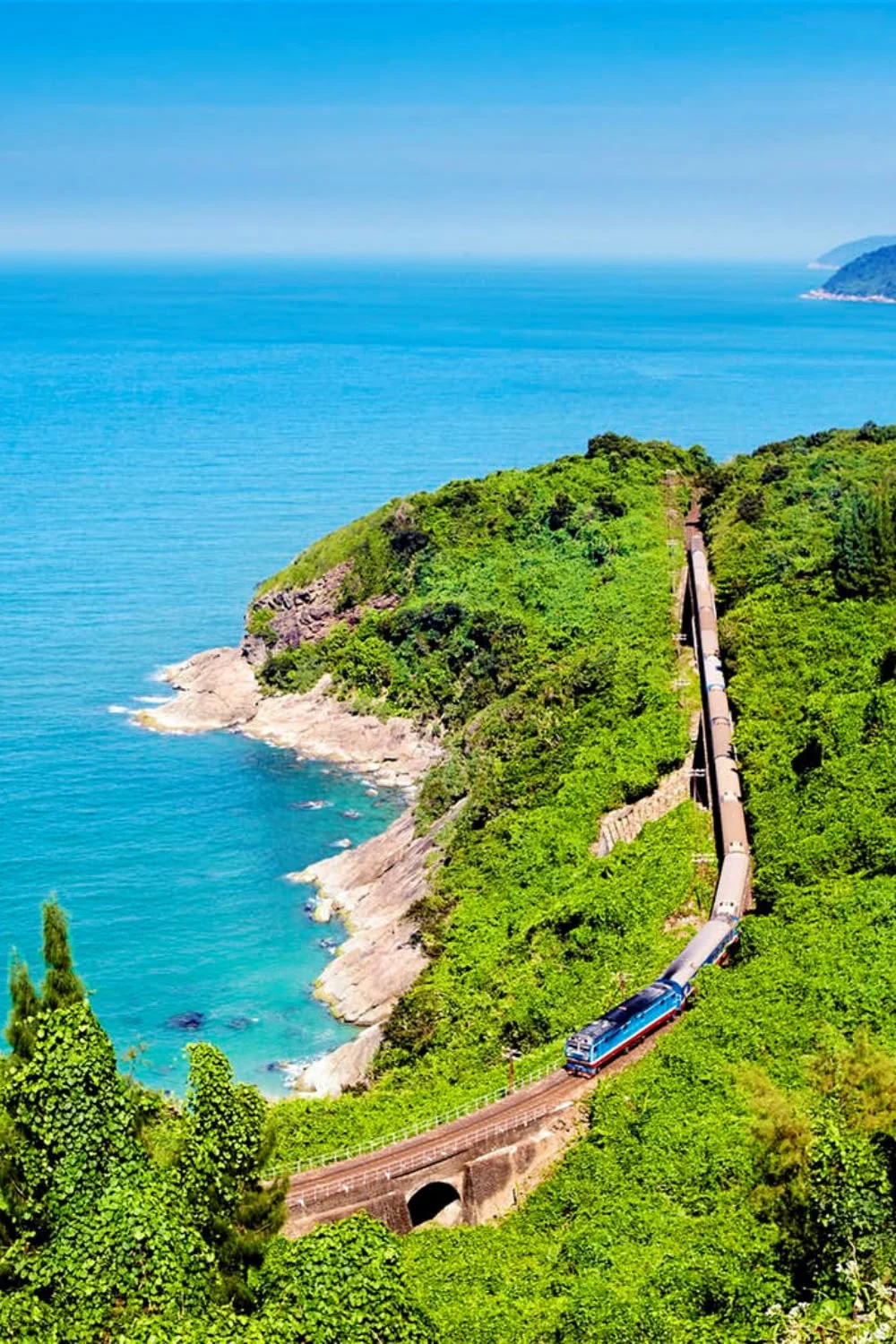
For an unforgettable day out, take a trip along the Hai Van Pass, one of Vietnam’s most scenic mountain roads.
Stretching between Da Nang and Hue, this winding coastal route cuts through green mountains with spectacular views of the ocean, bays, and surrounding countryside. The journey itself is the main attraction. There are plenty of viewpoints where you can stop, take photos, and enjoy the scenery.
You can explore the pass by motorbike, train, private car, or guided tour. If you’re traveling between Da Nang and Hue, it’s a particularly memorable alternative to taking the tunnel.
Travel tip: Check the weather before setting off. Fog, rain, and strong winds can make the road challenging, especially for inexperienced motorbike riders.
Source: Pinterest
11. Take a day trip to Hoi An
Okay, this one isn’t technically in Da Nang, but it would be a shame to visit the area and miss Hoi An. It’s so close!
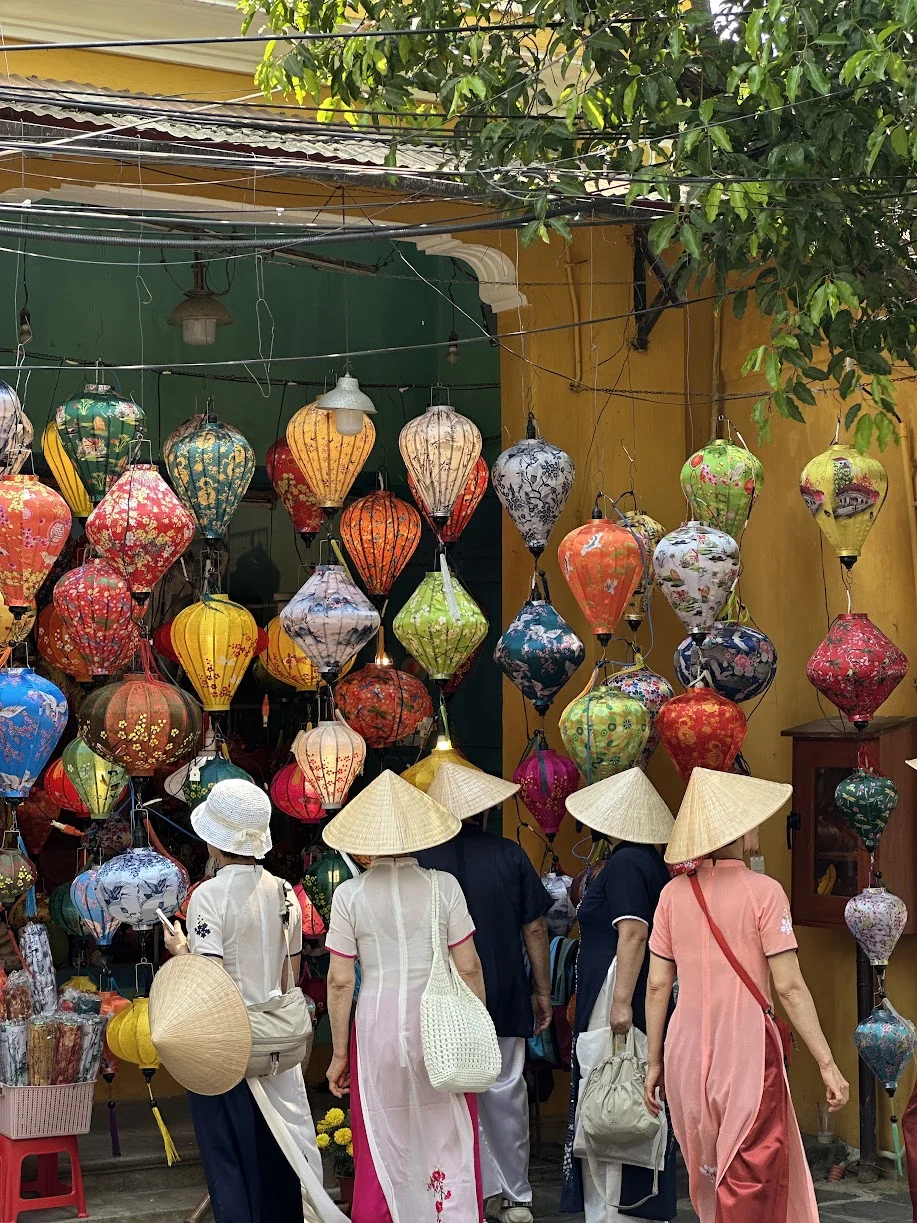
Located roughly 30 kilometers south of Da Nang, Hoi An is a beautifully preserved ancient town known for its yellow-painted buildings, colorful lanterns, riverside cafés, and charming streets.
Spend the afternoon wandering through the old town, browsing independent shops, visiting historic houses, and trying some of the local food. As the sun goes down, the town transforms into something special, with lanterns lighting up the streets and boats drifting along the river.
You can also visit the nearby An Bang Beach or take a basket boat ride through the coconut forest.
While Hoi An can get busy, especially in the evening, it’s still one of the most memorable experiences in central Vietnam. I went there twice and had a blast!
Travel tip: Aim to arrive in the late afternoon and stay into the evening. This gives you the chance to experience the town in daylight and after the lanterns come on.
Planning your trip to Da Nang: a few things to know
Before you start packing, here are a few practical tips to help you make the most of your visit.
How many days do you need in Da Nang?
I’d recommend spending at least 3-4 days in Da Nang. This gives you enough time to explore the main attractions, enjoy the beaches, try the local food, and take a day trip to Hoi An. If you want to explore the surrounding region at a slower pace, consider staying longer.
What’s the best time to visit Da Nang?
The best weather is generally between February and May, when temperatures are warm and rainfall is relatively low. June to August can be hot, while September to January brings more rain and the possibility of storms.
How do you get around Da Nang?
Getting around is relatively easy. You can use ride-hailing apps like Grab, rent a motorbike if you’re comfortable riding in Vietnam, or arrange private transport for longer day trips.
Is Da Nang worth visiting?
Absolutely. Da Nang offers a great combination of beaches, nature, culture, food, and city life. It’s also a convenient base for exploring central Vietnam, making it a great addition to almost any Vietnam itinerary.
Make your Da Nang trip easier to remember with Wentfar
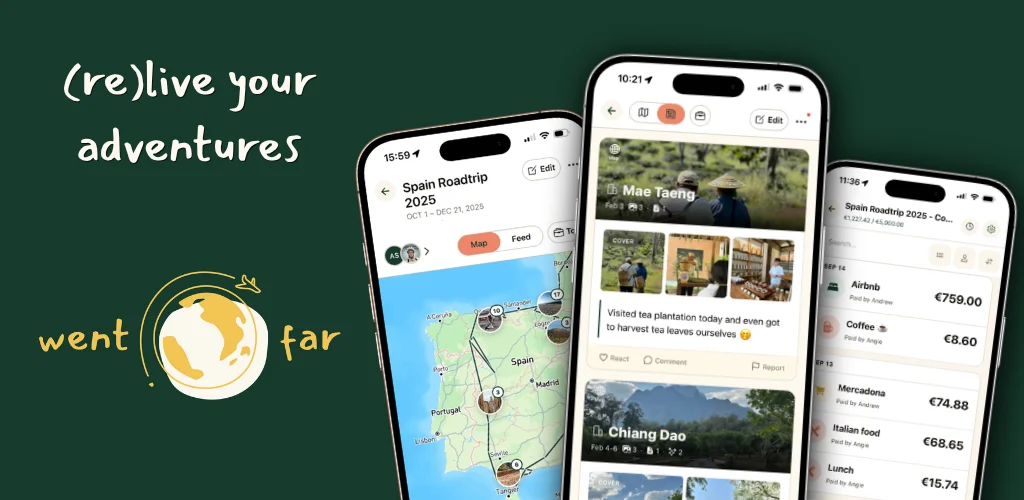
Planning a trip is one thing, but keeping track of all the places you’ve visited, photos you’ve taken, and memories you’ve made is another. That’s where Wentfar comes in.
Wentfar helps turn your camera roll into a visual travel feed and an interactive map of your adventures. Instead of having hundreds of travel photos scattered across your phone, you can bring them together into a beautiful overview of your trips.
Here’s what you can do with Wentfar:
- Turn photos into a travel story: Organize your travel memories into a visual feed.
- See your adventures on a map: Discover where you’ve been and visualize your journey.
- Share trips with others: Create shareable trips so friends and family can follow your adventures.
Whether you’re exploring Da Nang, road-tripping through Vietnam, or traveling somewhere new, Wentfar makes it easier to document the journey and look back on the places you’ve discovered.
Because the best part of traveling isn’t just ticking places off a list. It’s having those memories to look back on.
Ready to turn your camera roll into a travel story? Give Wentfar a try.
Final thoughts
Da Nang is a destination that’s easy to fall in love with. You can spend your mornings swimming in the ocean, your afternoons exploring caves and mountain viewpoints, and your evenings enjoying delicious Vietnamese food or watching the city light up along the Han River.
Whether you’re visiting for a quick getaway or making it part of a longer Vietnam adventure, there’s plenty to discover.
And don’t feel like you need to squeeze all 11 activities into a few days. Pick the experiences that match your interests, leave some room for spontaneous adventures, and enjoy the city at your own pace.